
Unveil The Truth: Does Getting Botox Injections Hurt?
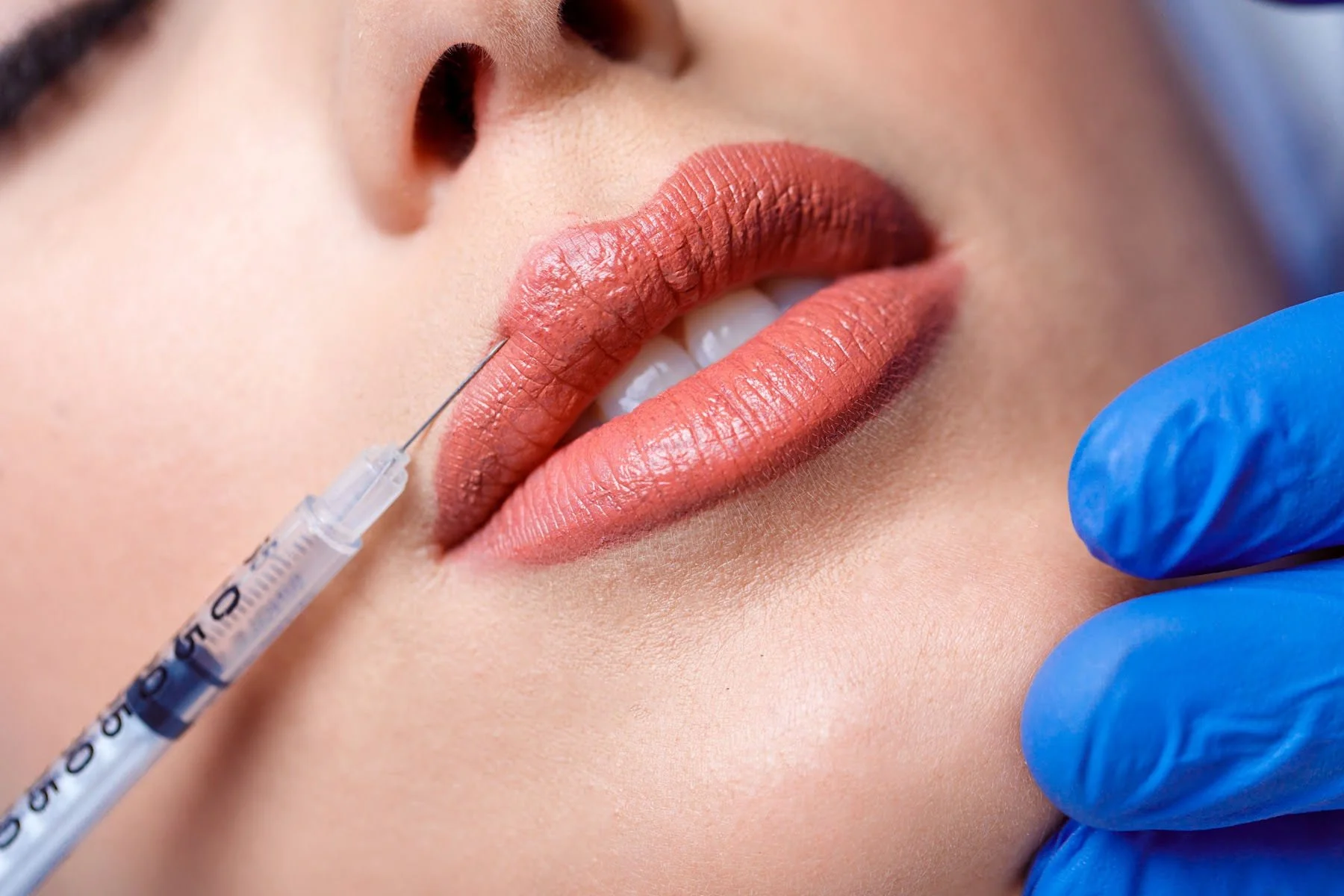

Curiosity about pain is a natural reaction when considering any cosmetic procedure, and Botox injections are no exception. Many individuals contemplating Botox treatment often wonder about the discomfort levels associated with the procedure. This article aims to demystify the experience, providing a comprehensive overview of what to expect.
Understanding Botox Injections
Botox injections have become a household name in the world of cosmetic enhancements, renowned for their ability to smooth out facial wrinkles and fine lines. Understanding the fundamentals of what Botox entails, how it functions within the body, and the typical areas it treats is crucial for anyone considering this popular non-surgical procedure. This foundational knowledge can help alleviate anxieties and set realistic expectations regarding the injection process and potential discomfort.
What Are Botox Injections?
Botox injections involve a purified form of botulinum toxin, a neurotoxin derived from the bacterium Clostridium botulinum. This substance is precisely injected into specific facial muscles to temporarily relax them, thereby reducing the appearance of wrinkles and fine lines. Beyond its cosmetic applications, Botox is also utilized to treat various medical conditions, including chronic migraines, excessive sweating, and muscle spasms. The procedure is typically quick, often taking only 10 to 15 minutes to administer.
How Botox Works in the Body
Once injected, the botulinum toxin works by blocking nerve signals to the muscles in the treated area. This temporary paralysis or weakening of the muscle prevents it from contracting, which in turn smooths out the overlying skin and reduces the appearance of dynamic wrinkles that form with facial expressions, such as frown lines and crow's feet. The effects typically become visible within a few days and can last for three to six months, after which muscle activity gradually returns, and repeat treatments are needed to maintain the desired results.
Common Areas for Botox Treatment
Botox is most frequently used to address facial wrinkles that result from repetitive muscle movements. Common treatment areas include the forehead, to smooth horizontal lines, between the eyebrows for frown lines (glabellar lines), and around the eyes for crow's feet. Additionally, Botox can be used to treat lines around the mouth, lift the corners of the mouth, and even address neck bands. Medically, it's injected into areas for migraine relief or into sweat glands for excessive sweating.
Experiencing Botox Hurt: The Pain Factor
Do Botox Injections Hurt?
The question of whether Botox injections hurt is one of the most common concerns for individuals considering this cosmetic procedure. While pain is subjective and varies greatly depending on an individual's pain tolerance, most patients report experiencing only mild discomfort during the injection process. The sensation is often described as a quick pinch or a mosquito bite, rather than a sharp or severe pain. This minimal discomfort is largely due to the use of very small needles, similar to those used for insulin injections, which are designed to reduce pain during the administration of the botulinum toxin.
Factors Influencing Pain and Discomfort
Several factors can influence the pain level and discomfort during a Botox treatment. The skill and experience of the injector in administering Botox play a significant role; a skilled practitioner can minimize discomfort by using proper techniques and quickly injecting the substance. Additionally, the injection site itself can affect sensation, as some facial areas are more sensitive than others. Patient preparation, such as avoiding blood thinners before the procedure, can reduce the risk of bruising at the injection site, which can contribute to post-procedure discomfort. Furthermore, applying a topical anesthetic or a numbing cream, or even an ice pack, before the injection can significantly reduce the sting and make the experience more comfortable.
Patient Testimonials on Discomfort Levels
Patient testimonials consistently highlight that the pain and discomfort associated with Botox injections are generally minimal. Many individuals compare the sensation to a quick pinch, akin to a flu shot, and are often surprised by how tolerable the procedure is. While some may experience minor side effects like redness, swelling, or a small bruise at the injection site, these are typically temporary and resolve within a few hours or days. The general consensus among those who have undergone Botox treatment is that the cosmetic benefits of smoothing fine lines and wrinkles far outweigh the brief and manageable discomfort during the 10 to 15 minutes it takes to administer the injections.
Minimizing Discomfort During Botox Treatments
Techniques to Minimize Discomfort
To minimize discomfort during a Botox treatment, several techniques are often employed by skilled injectors. Utilizing very small needles, similar to those used for insulin, significantly reduces the sensation of a pinch, making the injection process more tolerable. Furthermore, a quick and precise injection technique can help minimize the mild discomfort felt at the injection site. Applying an ice pack to the treatment area before and immediately after the Botox injection can also effectively numb the skin and reduce potential bruising at the injection site, ensuring a smoother experience.
Topical Anesthetics and Their Use
Topical anesthetics are a crucial tool for reducing pain and discomfort during Botox injections. A numbing cream or topical cream can be applied to the facial wrinkles area approximately 20 to 30 minutes before the procedure, allowing the anesthetic to penetrate the skin and significantly reduce the sting of the needle. This pre-treatment step is particularly beneficial for individuals with a lower pain tolerance or those receiving injections in more sensitive areas, ensuring a more comfortable overall experience during the administration of the botulinum toxin.
Choosing the Right Spa for Your Botox Injection
Choosing the right spa or clinic for your Botox injection is paramount for both safety and comfort. A reputable establishment will employ highly skilled and experienced injectors who understand how to minimize discomfort during the procedure. Look for a facility that prioritizes patient comfort, offering options like topical anesthetics and ice packs. During your consultation, ensure the injector discusses their experience in administering Botox and addresses any concerns you may have about pain and discomfort, ensuring a positive experience.
Side Effects of Botox Injections
Common Side Effects to Expect
While generally safe, Botox injections can have common side effects, typically mild and temporary. These include slight redness, minor swelling, or a small bruise at the injection site. Some individuals might experience a mild headache or flu-like symptoms, which usually resolve within 24 to 48 hours. Rarely, temporary eyelid drooping or asymmetry can occur if the botulinum toxin migrates. Adhering to post-treatment instructions, such as avoiding strenuous activity and lying down for at least 4 hours, can help mitigate these minor side effects.
Long-term Effects and Concerns
The long-term effects of Botox injections are generally well-studied and considered safe for cosmetic use. Most concerns revolve around the potential for repeated injections leading to a "frozen" look if overused, or the body developing antibodies to the botulinum toxin, making treatments less effective. However, when administered by a skilled injector, Botox treatment typically provides consistent results without severe long-term complications. There is no evidence of permanent damage to facial muscles or nerves from routine Botox injections.
When to Seek Medical Attention
Although rare, certain side effects warrant immediate medical attention. If you experience difficulty breathing, swallowing, or speaking after a Botox injection, or notice widespread muscle weakness, seek emergency care. Persistent or severe allergic reactions, such as hives or significant swelling beyond the injection site, also require prompt medical evaluation. While minor side effects like a bruise or mild discomfort are common, any unusual or severe symptoms should be reported to your healthcare provider to rule out serious complications.