
Cooling Down: Effective Ways to Treat Night Sweats
Understanding Night Sweats and Why Treatment Matters
Night sweat treatment can range from simple lifestyle adjustments to medical interventions, depending on the underlying cause. Here's what you need to know:
Quick Treatment Options:
- Lifestyle changes: Keep your bedroom cool (65-68°F), use breathable bedding, avoid triggers like alcohol and spicy foods before bed
- Home remedies: Sip cold water, use fans, wear lightweight cotton pajamas, practice stress-reduction techniques
- Medical treatments: Hormone therapy for menopause, FDA-approved medications like Veozah or Brisdelle, prescription antiperspirants for hyperhidrosis
- When to see a doctor: If night sweats occur regularly, interrupt sleep, or come with fever, unexplained weight loss, or other concerning symptoms
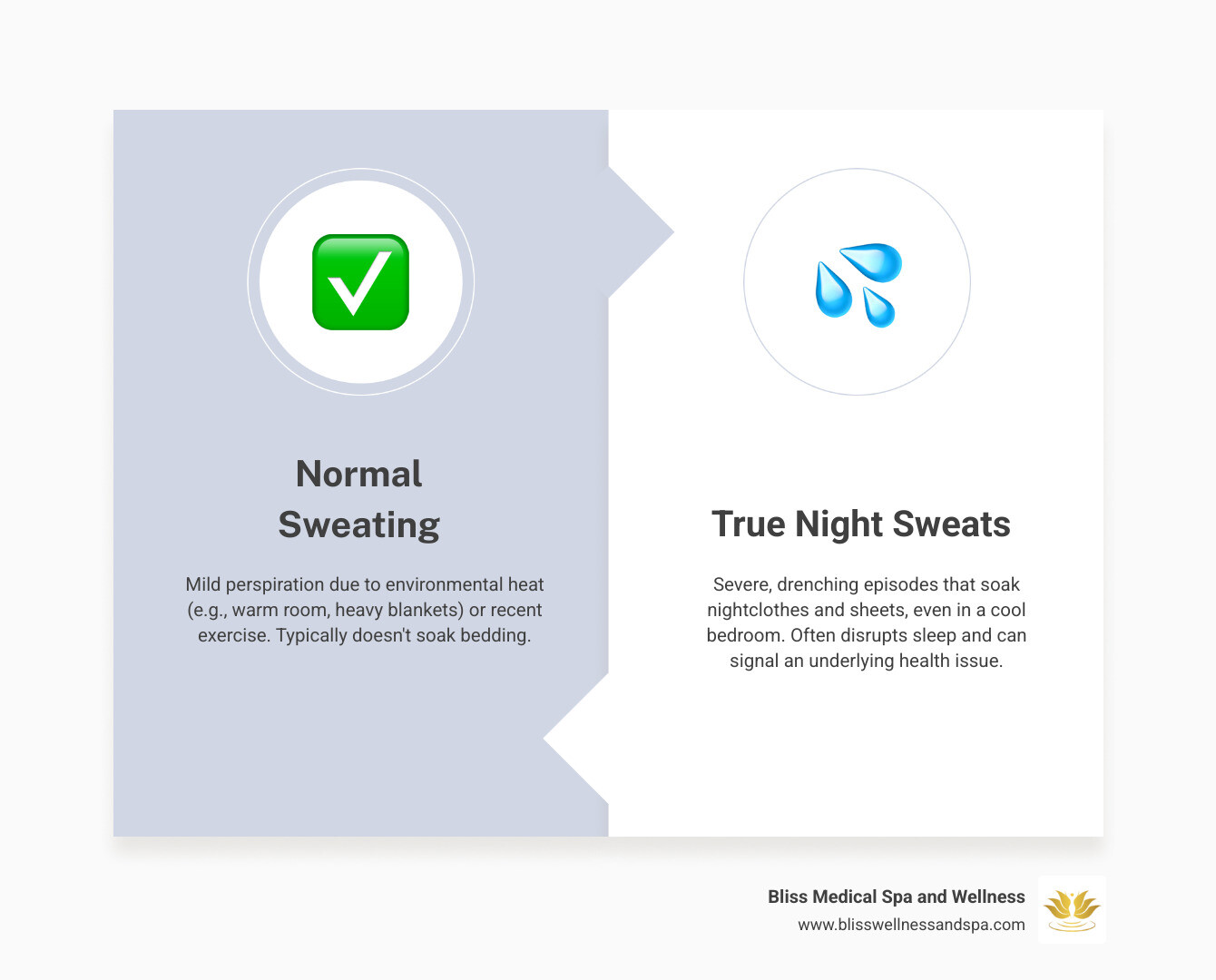
Night sweats are defined as severe episodes of sweating during sleep that soak your nightclothes or sheets—even when your bedroom isn't too warm. This is different from simply feeling hot because you piled on too many blankets or cranked up the heat.
You're not alone in this. About one-third of people report occasional excessive nighttime sweating, and studies show that 23-40% of people in primary care settings experience it to some degree. For women going through menopause, the numbers are even higher—as many as 3 in 4 will experience hot flashes and night sweats during this transition.
Waking up drenched and uncomfortable disrupts your sleep, leaves you exhausted, and can seriously impact your quality of life. The good news? Solutions exist, whether your night sweats stem from hormonal changes, medical conditions, medications, or lifestyle factors.
As Dawn Dewane, a board-certified Family Nurse Practitioner specializing in bioidentical hormone optimization and wellness medicine at Bliss Medical Spa and Wellness, I've helped countless patients find effective night sweat treatment through personalized care that addresses the root cause. My background in medical-surgical nursing and holistic wellness allows me to connect the dots between symptoms and solutions, helping you feel comfortable and rested again.
Understanding the Root Causes of Night Sweats
Night sweats are more than just feeling a little warm at night. They are episodes of profuse perspiration that can leave you and your bedding soaking wet, often disrupting your sleep and leaving you feeling confused or even cold. While it is easy to blame the warm Phoenix nights, true night sweats occur regardless of a cool sleeping environment. These episodes can stem from a variety of factors, ranging from common hormonal shifts to underlying medical conditions or even certain medications. Identifying the root cause is the first crucial step toward effective night sweat treatment.
Hormonal Changes in Women
Hormonal fluctuations are a leading cause of night sweats, particularly for women. The balance of reproductive hormones like estrogen and progesterone plays a significant role in regulating body temperature. When these levels fluctuate, your body’s internal thermostat, the hypothalamus, can get confused, leading to sudden sensations of heat and intense sweating, known as hot flashes or, when they occur at night, night sweats.
This phenomenon is most commonly associated with menopause and perimenopause. As many as 3 in 4 women will experience hot flashes during the years leading up to menopause, which officially begins after 12 consecutive months without a period. Perimenopause typically starts between the ages of 40 and 50. During this transition, declining and fluctuating estrogen levels can trigger these uncomfortable episodes.
Beyond menopause, other hormonal shifts can also cause night sweats in women:
- Pregnancy: Night sweats can occur in the first and third trimesters, and may persist for a few weeks postpartum as hormone levels adjust.
- Premenstrual Syndrome (PMS) and Premenstrual Dysphoric Disorder (PMDD): The hormonal changes during the menstrual cycle, particularly drops in estrogen and progesterone before a period, can trigger night sweats for some women.
- Primary Ovarian Insufficiency (POI): This condition involves the ovaries ceasing estrogen production before the age of 40, leading to menopausal symptoms, including night sweats, at an earlier age.
Understanding these hormonal connections is vital. For comprehensive information on managing these symptoms, you can visit Jean Hailes for Women's Health.
Underlying Medical Conditions
While hormonal changes are common culprits, night sweats can also be a symptom of a wide range of medical conditions affecting anyone, regardless of gender. If your night sweats are persistent, severe, or accompanied by other concerning symptoms, it is important to consider these possibilities:
- Infections: Certain infections are well-known for causing night sweats. Tuberculosis is one of the most recognized, but bacterial infections like endocarditis (inflammation of the heart's inner lining), osteomyelitis (bone infection), and pyogenic abscesses can also be responsible. Viral infections, including colds, flu, and COVID-19, may lead to night sweats as your body fights off the pathogen. HIV is another infectious disease where night sweats are a recognized symptom.
- Hormone Disorders (beyond reproductive hormones): Conditions affecting other endocrine glands can also disrupt your body's temperature regulation. An overactive thyroid (hyperthyroidism) can lead to excessive sweating day and night. Endocrine tumors, though rare, can release hormones that cause sweating. Hypoglycemia, or low blood sugar, is another cause, especially for individuals taking medications to lower blood sugar.
- Cancers: Night sweats can occasionally be an early indicator of certain cancers, such as lymphoma and leukemia. In these cases, night sweats are often severe and accompanied by other symptoms like unexplained weight loss and fever.
- Neurologic Conditions: Disorders affecting the nervous system can interfere with the body's autonomic functions, including sweating. These can include autonomic dysreflexia, autonomic neuropathy, syringomyelia, and stroke.
- Sleep Disorders: Obstructive sleep apnea (OSA) is a condition where breathing repeatedly stops and starts during sleep. This can lead to increased effort to breathe, oxygen deprivation, and subsequent sweating.
- Digestive Diseases: Gastroesophageal reflux disease (GERD) can sometimes be associated with night sweats, though the exact mechanism is not always clear.
Medication Side Effects
Many commonly prescribed medications can list night sweats as a potential side effect. If you have recently started a new medication or changed dosages and noticed an increase in night sweats, it is worth discussing with your doctor in Phoenix or Glendale.
Here are some medication categories known to cause night sweats:
- Antidepressants: Selective serotonin reuptake inhibitors (SSRIs), such as paroxetine (Brisdelle), venlafaxine, citalopram, and escitalopram, can affect neurotransmitters involved in temperature regulation.
- Steroids: Medications like prednisolone, often used to reduce inflammation, can cause night sweats.
- Diabetes Medications: Drugs used to lower blood sugar, such as insulin or oral hypoglycemics, can lead to hypoglycemia, which in turn causes sweating.
- Painkillers: Over-the-counter and prescription painkillers, including acetaminophen and aspirin, can sometimes induce sweating, especially if taken to reduce a fever.
- Blood Pressure Medications: Some medications used to treat high blood pressure can have night sweats as a side effect.
- Cancer Treatments: Certain therapies, including aromatase inhibitors and tamoxifen, used in hormone-sensitive cancers, can significantly impact hormone levels and lead to hot flashes and night sweats.
- Opioid Use Disorder Medications: Medications like methadone can also cause night sweats.
If you suspect your medication is causing night sweats, never stop taking it without consulting your healthcare provider. A clinician can coordinate with your prescribing doctor to explore alternatives or adjust your dosage if appropriate.
Lifestyle and Environmental Triggers
Sometimes, the cause of night sweats is not a medical condition or medication, but rather factors in daily life or the sleeping environment. While these might not be "true" night sweats in the clinical sense (meaning not indicative of an underlying illness), they can still leave you uncomfortable and disrupt your sleep. This is especially relevant in a warm climate like Phoenix.
- Spicy Foods and Hot Drinks: Consuming spicy foods or hot beverages close to bedtime can raise your body temperature, leading to sweating as your body tries to cool down.
- Alcohol: Alcohol interferes with your body's temperature regulation, causes vasodilation (widening of blood vessels), and increases your body temperature, which can lead to increased sweating during sleep.
- Caffeine: Caffeine can stimulate your nervous system and increase body temperature, making you more prone to sweating at night.
- Exercise Before Bed: While regular exercise is beneficial, working out too close to bedtime can raise your core body temperature, which then needs to dissipate, potentially leading to night sweats.
- Overheated Bedroom: An overly warm room is a straightforward reason for sweating. In both Phoenix and Glendale, making sure your bedroom stays cool can make a big difference.
- Heavy Bedding or Sleepwear: Piling on too many blankets or wearing thick, non-breathable pajamas can trap heat, causing your body to sweat to cool itself.
- Stress and Anxiety: Mental stress and anxiety activate your autonomic nervous system, which can lead to increased heart rate and sweating. If you go to bed feeling anxious or overwhelmed, your body might react by sweating more, leading to a restless night and damp sheets.
When to See a Doctor in Phoenix for Night Sweats
It's normal to sweat occasionally during sleep, especially if your room is too warm or you've had a particularly vivid dream. However, there are clear signs that your night sweats warrant a visit to a healthcare professional, such as the experienced team at Bliss Wellness and Spa, or your primary care physician in Phoenix or Glendale, AZ. We believe in proactive health management and want to help you identify if your night sweats are a signal of something more.
You should schedule a visit with your healthcare provider if:
- Night sweats occur on a regular basis: If they happen frequently, say more than 2-3 times per week.
- They interrupt your sleep: If they consistently wake you up or make it difficult to fall back asleep.
- Home remedies aren't working: If you've tried lifestyle adjustments and environmental changes without significant improvement.
- They are accompanied by other concerning symptoms: This is a major red flag that an underlying medical condition might be at play.
Concerning Symptoms to Watch For
While night sweats alone can be disruptive, they become much more concerning when coupled with other symptoms. These "red flag" symptoms suggest that a thorough medical evaluation is necessary to rule out more serious causes:
- Unexplained weight loss: If you're losing weight without intentionally trying to.
- Persistent fever: Especially if it's low-grade and occurs regularly.
- Localized pain: Pain in a specific area of your body.
- Chronic cough: A cough that lingers for weeks or months.
- Diarrhea: Persistent or unusual bowel changes.
- Sweats that regularly soak through bedding: This indicates a level of severity beyond typical discomfort.
- Night sweats that start months or years after menopause symptoms ended: If you thought you were done with them, and they return, it's worth investigating.
If you experience any of these accompanying symptoms, please don't hesitate to contact us or your doctor in Phoenix or Glendale.
The Diagnostic Process
When you consult a healthcare provider for night sweats, our goal at Bliss Wellness and Spa is to identify the precise cause, ensuring you receive the most effective night sweat treatment. The diagnostic process is comprehensive and personalized, reflecting our commitment to your overall well-being.
Typically, a doctor will:
- Take a detailed medical history: We'll ask about the characteristics of your night sweats (how often, how severe, how long they've been occurring), any accompanying symptoms, your current medications, recent changes in lifestyle, and your overall health. We'll also dig into your family history and any stressors you might be experiencing.
- Perform a thorough physical exam: This helps to check for any physical signs that might point to an underlying condition.
- Order blood tests: These are common to check for infections, thyroid function (hyperthyroidism), blood sugar levels (hypoglycemia), and hormone levels (especially for women in perimenopause/menopause). Blood tests can also screen for signs of inflammation or certain cancers.
- Consider hormone level checks: Particularly for women, assessing estrogen and progesterone levels can confirm if hormonal fluctuations are a primary driver.
- Suggest imaging tests if needed: If initial findings point towards a specific concern, such as an infection or tumor, imaging like X-rays, CT scans, or MRIs might be recommended.
- Discuss symptoms with a healthcare provider: This open dialogue is crucial. The more information you can provide about your experience, the better we can narrow down the possibilities.
Our osteopathic approach at Bliss Wellness and Spa emphasizes looking at how your lifestyle and environment impact your health, not just treating symptoms. By examining these factors comprehensively, we aim to uncover the root cause and provide a truly effective night sweat treatment plan.
Lifestyle and At-Home Night Sweat Treatment Strategies
Before turning to medical interventions, many people find relief by making simple, practical changes to their lifestyle and sleep environment. These strategies can often reduce the frequency and severity of night sweats, helping you sleep more comfortably in Phoenix and Glendale.
Optimizing Your Sleep Environment
Creating a cool, calm, and comfortable sleep sanctuary is central to managing night sweats.
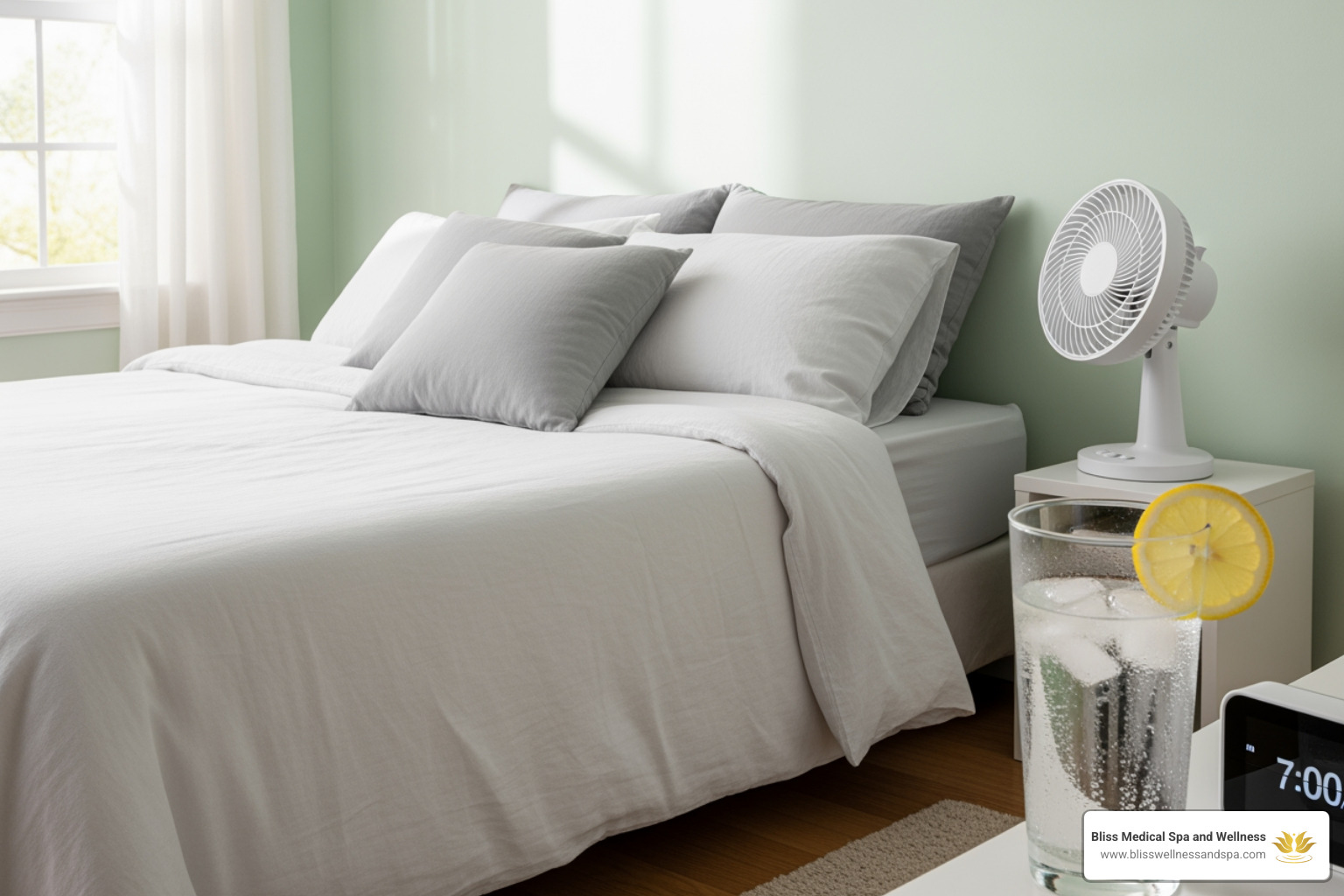
- Lowering the Thermostat: Aim for a bedroom temperature between 60-68°F (15-20°C). Cooler air helps your body regulate its temperature more effectively.
- Using Fans or A/C: A ceiling fan, bedside fan, or steady air conditioning can provide airflow and cooling, which is especially important in Phoenix.
- Breathable Bedding: Swap heavy duvets for lightweight blankets. Choose bedding made from natural, breathable materials like cotton, linen, or bamboo to allow air circulation and wick away moisture.
- Cooling Pillows and Mattresses: Consider pillows or mattress covers designed with cooling gels or breathable structures. While Bliss Wellness and Spa does not sell these, our team can suggest options that complement your night sweat treatment plan.
- Lightweight Pajamas: Wear loose-fitting sleepwear made from cotton, linen, or moisture-wicking fabrics so your skin can breathe and sweat can evaporate.
Dietary and Behavioral Adjustments for Night Sweat Treatment
What you consume and how you wind down in the evening can significantly affect nighttime comfort. A few targeted changes can support your night sweat treatment:
- Avoiding Triggers: Limit or avoid common triggers like spicy foods, alcohol, and caffeine, especially in the hours before bed. If you suspect a particular item is a trigger, remove it from your diet for a few weeks and monitor changes.
- Limiting Alcohol and Spicy Food: Alcohol can interfere with your body’s temperature regulation and cause blood vessels to dilate, increasing sweating. If you drink, do so earlier in the evening and alternate alcoholic beverages with water.
- Staying Hydrated with Cool Water: Sip cool water throughout the day and keep a glass of ice water by your bedside. Good hydration helps your body regulate temperature.
- Maintaining a Healthy Weight: Being overweight or obese can increase the frequency and intensity of hot flashes and night sweats. Regular activity and a balanced diet can help reduce symptoms and improve overall health.
- Quitting Smoking: Smoking is known to worsen hot flashes and night sweats. Quitting can lessen symptoms and greatly improve your overall health. You can find more information and support for quitting at More on quitting smoking.
- Regular Exercise: Incorporate regular physical activity during the day to support overall health and sleep quality. Try to finish vigorous workouts at least a few hours before bedtime so your core temperature has time to drop.
Mind-Body and Complementary Therapies
Stress and anxiety can play an important role in triggering or worsening night sweats. Integrating mind-body practices and complementary therapies into your routine can offer additional support for night sweat treatment.
- Stress Management: Ongoing stress activates your body's "fight or flight" response, which can increase body temperature and sweating. Building a daily stress-management routine is helpful.
- Meditation and Deep Breathing Exercises: Practices like mindfulness meditation and paced breathing can calm the nervous system, reduce anxiety, and help regulate your body's response to stress. Slow, deep breathing (about 6–8 breaths per minute) before bed can be especially soothing.
- Cognitive Behavioral Therapy (CBT): CBT helps you identify and change unhelpful thought patterns and behaviors. Studies have shown that CBT can reduce the distress associated with hot flashes and night sweats, particularly for women going through menopause or after breast cancer treatment.
- Acupuncture: Some research suggests acupuncture may help reduce the frequency and severity of hot flashes and night sweats, especially in women experiencing menopausal symptoms.
- Hypnotherapy: Early research indicates that hypnotherapy may help some people manage hot flashes and improve sleep quality.
For more insights into how mind-body practices can support your well-being, explore Research on mind-body practices. At Bliss Wellness and Spa in Phoenix and Glendale, we believe in a holistic approach and can help you integrate these strategies alongside other care.
Medical Night Sweat Treatment Options
When lifestyle changes are not enough, or if an underlying medical condition is identified, medical interventions may become an important part of your night sweat treatment plan. These options are discussed and prescribed by a healthcare professional after a thorough evaluation.
Managing Menopausal Night Sweats
For women experiencing night sweats due to menopause, there are several effective medical options available. A provider can guide you through these choices to find what best suits your health profile and preferences.
| Treatment Type | Description |
|---|---|
| Hormonal Options (Menopausal Hormone Therapy, MHT) | MHT, also called Hormone Replacement Therapy (HRT), involves supplementing the body with estrogen, and often progesterone, to restore hormone levels. It is one of the most effective treatments for hot flashes and night sweats, and can also help with vaginal dryness, sleep, and bone density. However, it may increase the risk of heart attack, stroke, blood clots, breast cancer, gallbladder disease, and dementia in some women. Risks vary with age, dose, type of hormone, duration of therapy, and whether you still have a uterus. |
| Non-Hormonal Prescription Options | Several non-hormonal medications can reduce hot flashes and night sweats. These include low-dose antidepressants such as SSRIs and SNRIs (for example, paroxetine/Brisdelle and venlafaxine), gabapentin, and the newer medication Veozah (fezolinetant), which targets specific brain receptors involved in temperature regulation. These can be helpful when hormone therapy is not appropriate or not desired. |
| Other Supportive Medications | In some cases, medications used for mood, sleep, or nerve pain can be adjusted to also help with vasomotor symptoms. Your healthcare provider will review potential benefits and side effects in the context of your overall health. |
For additional information, you can read Hot Flashes: What Can I Do?.
This research was conducted in collaboration with Dawn Dewane, a board-certified Family Nurse Practitioner specializing in bioidentical hormone optimization and wellness medicine at Bliss Medical Spa and Wellness. Dawn's expertise provided insights into the comprehensive care of patients experiencing night sweats. We are committed to providing personalized solutions that cater to your unique needs in Phoenix and Glendale, AZ.
Specific Treatments for Hyperhidrosis
When night sweats are a symptom of hyperhidrosis—a medical condition characterized by excessive sweating unrelated to heat or exercise—the night sweat treatment approach is more specialized. Hyperhidrosis can be primary (idiopathic, often affecting specific body parts like palms, soles, or armpits) or secondary (caused by an underlying medical condition or medication).
For generalized hyperhidrosis affecting the entire body, which can manifest as night sweats, treatments may include:
- Prescription Antiperspirants: Stronger antiperspirants containing higher concentrations of aluminum chloride can be prescribed. These work by temporarily blocking the sweat ducts.
- Oral Medications (Anticholinergics): Drugs like oxybutynin and glycopyrrolate are anticholinergics that work by blocking the chemical messenger acetylcholine, which activates sweat glands. A case report highlighted in our research showed oxybutynin to be effective in treating severe primary sleep hyperhidrosis, with some patients experiencing lasting relief.
- Botulinum Toxin Injections: While more commonly used for localized hyperhidrosis (such as in the armpits), these injections can temporarily block the nerves that stimulate sweat glands.
- Other Treatments: Depending on the severity and type of hyperhidrosis, other options might be considered, as discussed in Hyperhidrosis (excessive sweating).
It is important to differentiate between primary and secondary hyperhidrosis, as the latter requires treating the underlying cause.
Hormonal Night Sweat Treatment: Risks and Benefits
For many women, hormonal night sweats, particularly those related to menopause, can be managed with hormonal treatments. It is crucial to weigh the benefits against potential risks, and this discussion should always happen with a qualified healthcare provider.
Menopausal Hormone Therapy (MHT) involves supplementing the body with estrogen and, for women with a uterus, adding progesterone or a progestin to protect the uterine lining.
- Benefits: MHT is a highly effective night sweat treatment for hot flashes and night sweats. It can also improve other menopausal symptoms such as vaginal dryness, support better sleep, and help maintain bone density.
- Risks: Potential risks can include an increased risk of heart attack, stroke, blood clots, breast cancer, gallbladder disease, and dementia. These risks vary depending on age, the type and dose of hormones used, how long therapy is continued, and individual health history.
At Bliss Wellness and Spa in Phoenix and Glendale, we focus on bioidentical hormone optimization and a personalized approach. Your medical history, family history, and individual risk factors are carefully reviewed to determine whether hormonal night sweat treatment is appropriate. The goal is to use the lowest effective dose for the shortest duration needed to achieve symptom relief while aiming to minimize risk.
Finding Lasting Relief from Night Sweats
Finding lasting relief from night sweats usually involves a combination of understanding the cause, making targeted lifestyle adjustments, and adding medical treatment when needed. The outlook is generally very good, as most cases can be effectively managed or resolved once the underlying trigger is identified and addressed.
The most important step in achieving lasting relief is a correct diagnosis. Night sweats can stem from many sources—environmental factors, hormonal shifts, medical conditions, or medication side effects. Without pinpointing the root cause, treatment may only offer temporary relief or miss a more serious underlying issue. This is where the expertise of a healthcare provider, like the team at Bliss Wellness and Spa in Phoenix and Glendale, becomes essential.
Once the cause is identified, night sweat treatment can be custom to your needs:
- For lifestyle-related night sweats, simple changes to your sleep environment, diet, and stress management often provide significant improvement.
- For hormone-related night sweats, particularly those due to menopause, both hormonal and non-hormonal medications can offer excellent relief and help restore restful sleep.
- When night sweats are a symptom of an underlying medical condition, treating that condition directly will typically reduce or resolve the sweating.
- If medications are the cause, adjusting dosages or switching to alternatives under medical supervision can make a substantial difference.
- For primary hyperhidrosis, specialized treatments can meaningfully reduce excessive sweating.
At Bliss Wellness and Spa, our approach to night sweat treatment is holistic and patient-centered. We do more than address the symptom—we work with you on a personalized plan that supports your overall well-being. From lifestyle counseling and IV wellness therapy to advanced hormone optimization, our team in Phoenix and Glendale is dedicated to helping you sleep more comfortably and feel your best.
If night sweats are disrupting your nights, you do not have to keep struggling. Learn more about our comprehensive hormone optimization services and how we can help you cool down and sleep soundly again by visiting More info about hormone optimization services.