
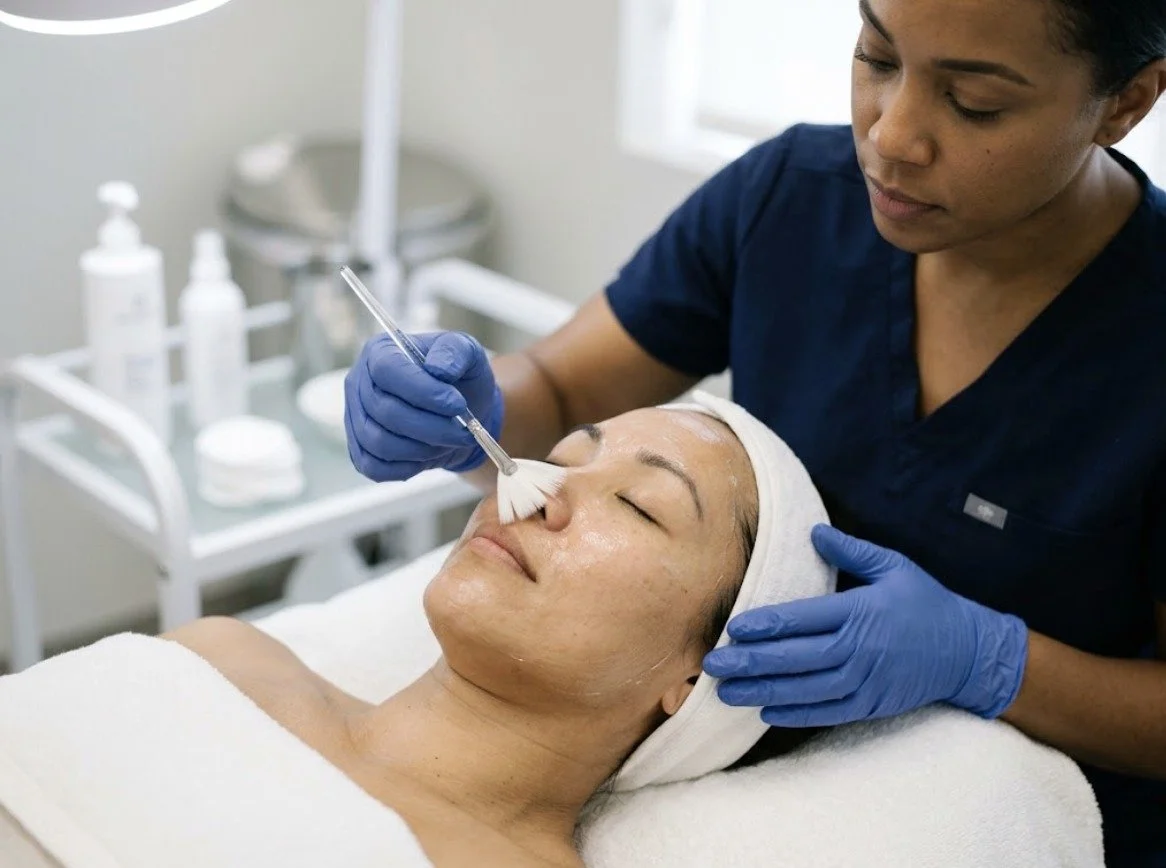
Dark spots can remain long after a breakout heals, sun exposure fades, or skin irritation settles. For many people, the frustrating part isn't just the discoloration. It is figuring out why it developed and which treatment makes sense for their skin.
Chemical peels for hyperpigmentation may help improve certain types of dark spots and uneven skin tone by removing damaged surface skin cells through controlled exfoliation. The right peel depends on the cause and depth of the pigmentation, your skin type, sensitivity, and how much recovery time fits your schedule.
At Bliss Medical Spa and Wellness in Glendale, we personalize treatment recommendations so you can understand your options and choose a skin care plan based on your goals and your skin's needs.
What You'll Learn From This Article
How different types of hyperpigmentation develop
How chemical peels target surface discoloration
Which peel ingredients may be considered for pigmentation
Why skin type affects peel selection and safety
What treatment, recovery, and results may look like
How aftercare can help protect your skin after a peel
When a chemical peel may not be the right choice
Understanding your type of pigmentation is the first step toward choosing an appropriate treatment.
What Is Hyperpigmentation?
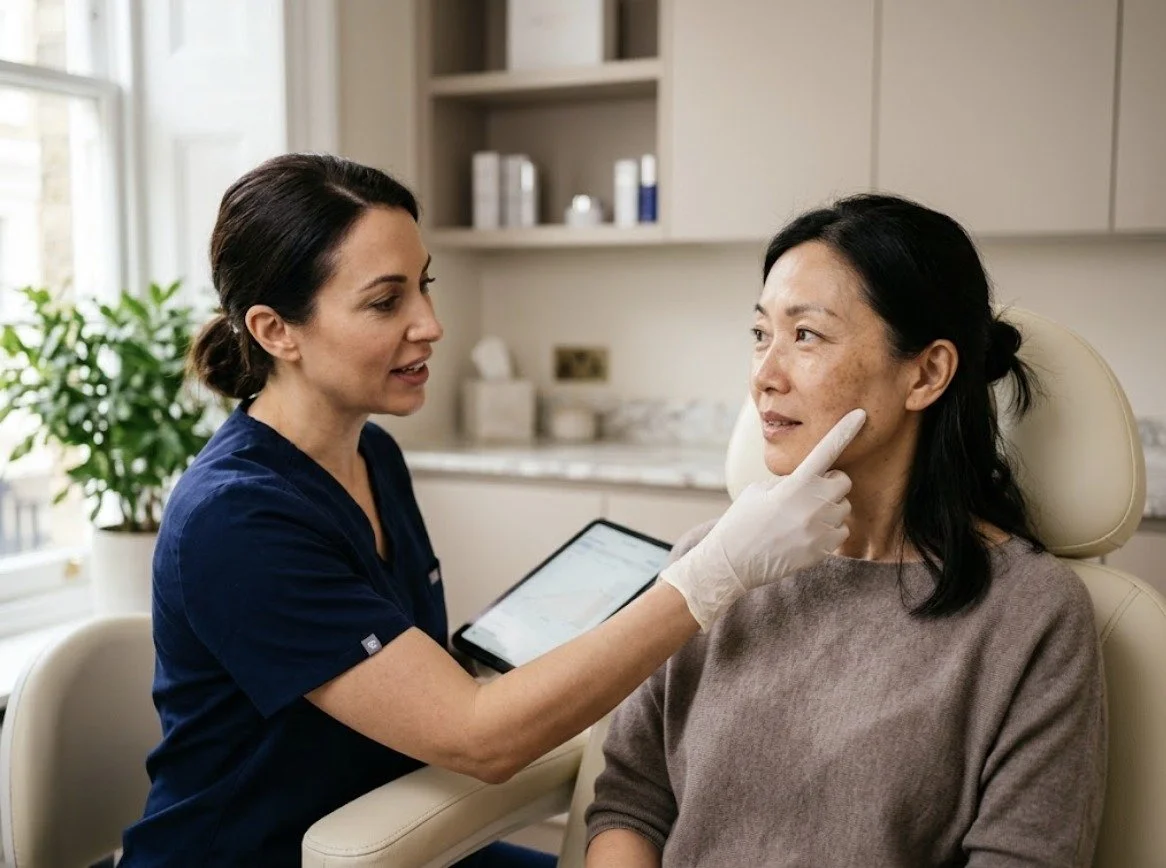
Hyperpigmentation is a general term for areas of skin that appear darker than the surrounding skin because of increased melanin, the pigment responsible for skin color.
It may appear as a single dark spot, groups of marks, larger patches, or an uneven skin tone. The appearance can look similar from person to person, but the cause may be very different.
Post-Inflammatory Hyperpigmentation
Post inflammatory hyperpigmentation, often called PIH, can develop after the skin experiences inflammation or injury.
Acne is a common example. A breakout may heal completely but leave a brown, tan, or gray spot behind. Skin irritation, picking, burns, or certain cosmetic procedures may also trigger pigment changes.
People with darker skin tones may be more prone to PIH because pigment-producing cells can respond more strongly to inflammation.
Melasma
Melasma usually appears as brown or gray-brown patches, often on the cheeks, forehead, nose, upper lip, or other sun-exposed areas.
Sun exposure, hormones, genetics, and other factors may contribute. Melasma can involve pigment in the epidermis, deeper in the dermis, or in both layers.
A published review discusses how pigmentation depth and skin type influence treatment decisions, especially because irritation can worsen pigment changes in some patients.
Sun-Related Pigmentation
Years of ultraviolet exposure can contribute to freckles, sun spots, and uneven tone. These concerns often affect areas that receive frequent sun exposure, such as the face, neck, chest, and hands.
Because hyperpigmentation can come from different causes and occur at different depths, treatment should start by identifying the skin concern rather than choosing a peel based only on strength.
How Chemical Peels for Hyperpigmentation Work
A chemical peel uses a chemical solution to create controlled exfoliation of specific skin layers.
Depending on the peel type, the solution loosens or removes damaged surface skin cells. As the treated cells shed, the skin goes through its normal renewal process. Superficial pigment may become less noticeable as the peel removes pigmented cells in the outer skin layer.
Chemical peels may also help address concerns such as rough texture, acne-related discoloration, and signs of sun damage.
Peel Depth Matters
Chemical peels are generally classified by how deeply they affect the skin.
Very superficial and superficial peels work primarily within the epidermis. Medium-depth peels reach deeper into the skin, while deeper treatments cause more extensive tissue injury and require more recovery.
A published review describes chemical peeling as a controlled resurfacing technique in which treatment depth depends on the peeling agent, concentration, application technique, and number of layers applied.
A stronger peel is not automatically a better peel for pigmentation. More aggressive treatment can increase inflammation, which may raise the risk of new pigment changes in some skin types.
Once you understand treatment depth, the next question is which pigmentation concerns are most likely to respond.
What Types of Hyperpigmentation May Respond to Chemical Peels?
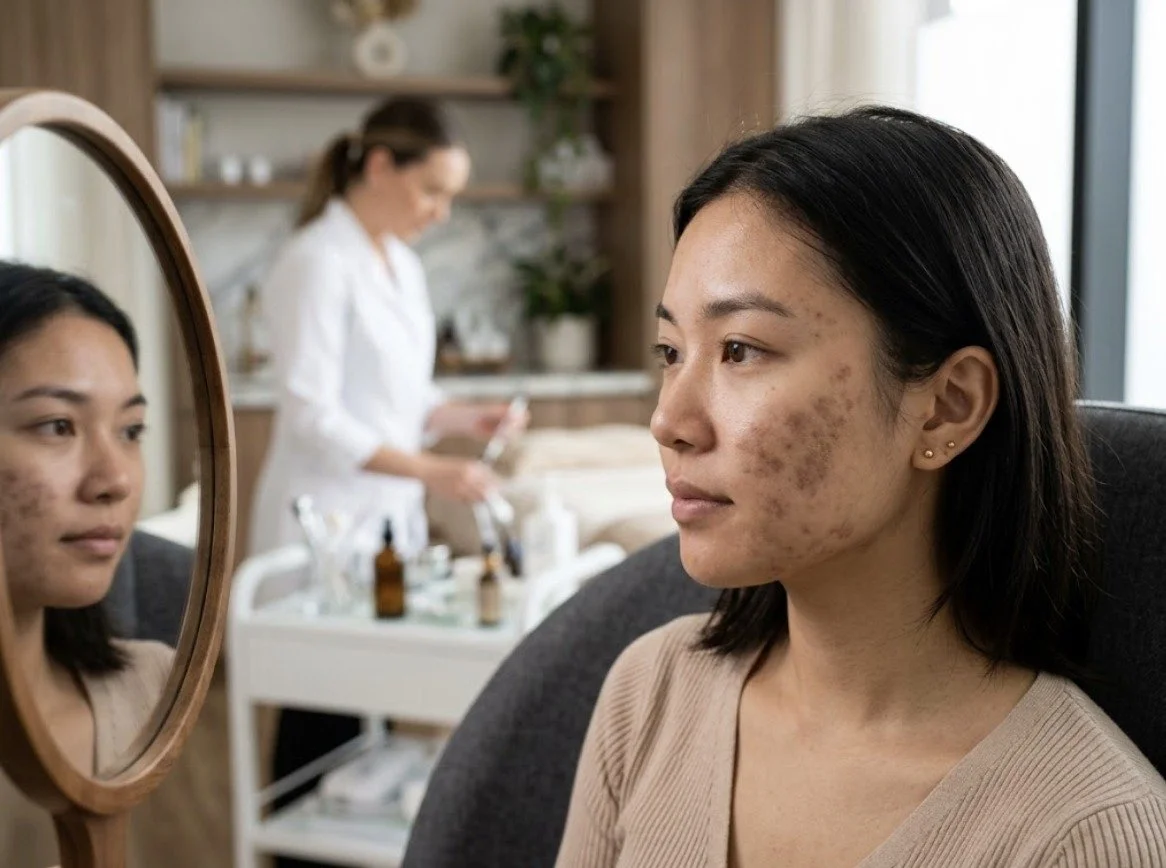
Chemical peels can help with selected pigmentation concerns, but results depend heavily on the pigment's cause and location.
Acne-Related Dark Spots
When acne leaves superficial post-inflammatory marks, a light peel may gradually reduce the contrast between darker areas and the surrounding skin.
If active acne is present, the treatment plan may also need to address breakouts themselves. Continued inflammation can create new marks even while older discoloration improves.
Sun Spots and Uneven Skin Tone
Superficial pigmentation caused by sun exposure may respond to chemical exfoliation.
However, treatment does not stop the skin from producing new pigment. Consistent sun protection remains important after treatment and between sessions.
Melasma
Chemical peels may help treat some cases of melasma, especially when pigment is concentrated closer to the skin surface.
Research describes chemical peels as an additional treatment option for melasma, not a complete solution on their own. The review also stresses the importance of sun protection and appropriate topical care.
Melasma often recurs, so treatment expectations should focus on management rather than assuming one procedure will permanently remove the pigmentation.
The type of pigmentation helps guide treatment, but the specific peeling agent also matters.
Common Types of Chemical Peels Used for Pigmentation
Several chemical peel ingredients may be considered when treating discoloration. Each behaves differently, and the best choice depends on your skin type, concern, sensitivity, and treatment goals.
| Peel Type | Common Reason It May Be Considered | Key Consideration |
|---|---|---|
| Glycolic acid | Uneven tone, superficial pigmentation, texture | Strength and contact time affect treatment intensity |
| Lactic acid | Surface exfoliation and tone concerns | Skin sensitivity should guide treatment selection |
| Mandelic acid | Superficial exfoliation and selected pigmentation concerns | May be used when a slower-acting acid is appropriate |
| Salicylic acid | Acne-prone skin, clogged pores, some discoloration | Application technique affects depth |
| TCA | Pigmentation and resurfacing at different depths | Higher strengths require greater caution and recovery |
| Combination peels | Multiple concerns at the same time | Formulation should match the patient's skin and goals |
Glycolic Acid
Glycolic acid is an alpha hydroxy acid commonly used in superficial chemical peels.
It helps loosen the connections between surface skin cells, allowing damaged cells to shed more easily. Providers may use glycolic acid for concerns such as uneven tone, sun-related pigmentation, rough texture, and some forms of melasma.
Lactic and Mandelic Acid
Lactic acid and mandelic acid are also alpha hydroxy acids.
They can be used for controlled surface exfoliation, but they are not interchangeable. Concentration, application technique, skin type, and treatment goals all affect how a peel behaves.
Salicylic Acid
Salicylic acid is a beta hydroxy acid often used for acne-prone or oily skin because it can penetrate oily areas of the skin.
It may also be included in treatment plans for post inflammatory hyperpigmentation when acne and discoloration occur together.
TCA and Combination Peels
Trichloroacetic acid, commonly called TCA, can create different levels of peeling depending on the concentration and application method.
Because deeper treatment increases the chance of prolonged redness, pigment changes, and other complications, careful patient selection is important.
Choosing among these options requires more than identifying a dark spot. Your natural skin tone and sensitivity history matter just as much.
Why Skin Type Matters With Chemical Peels
Skin does not respond to chemical peeling the same way in every person.
People with deeper skin tones can be more prone to post-inflammatory hyperpigmentation after irritation. That does not mean chemical peels are automatically unsuitable, but it does make peel selection, concentration, preparation, and aftercare especially important.
Sensitive skin also requires careful planning. Current irritation, recent procedures, acne activity, topical medications, and the condition of your skin barrier may affect whether treatment is appropriate.
A consultation can help your provider assess factors such as:
Your skin type and tone
The location and appearance of pigmentation
Previous reactions to skin treatments
Current acne or inflammation
Prescription or over-the-counter skin products
Recent laser, waxing, or resurfacing treatments
How much downtime you can accommodate
The goal is to choose enough treatment to address the concern without creating unnecessary inflammation.
With those factors in mind, the treatment process is usually straightforward.
What to Expect During a Chemical Peel at Bliss in Glendale
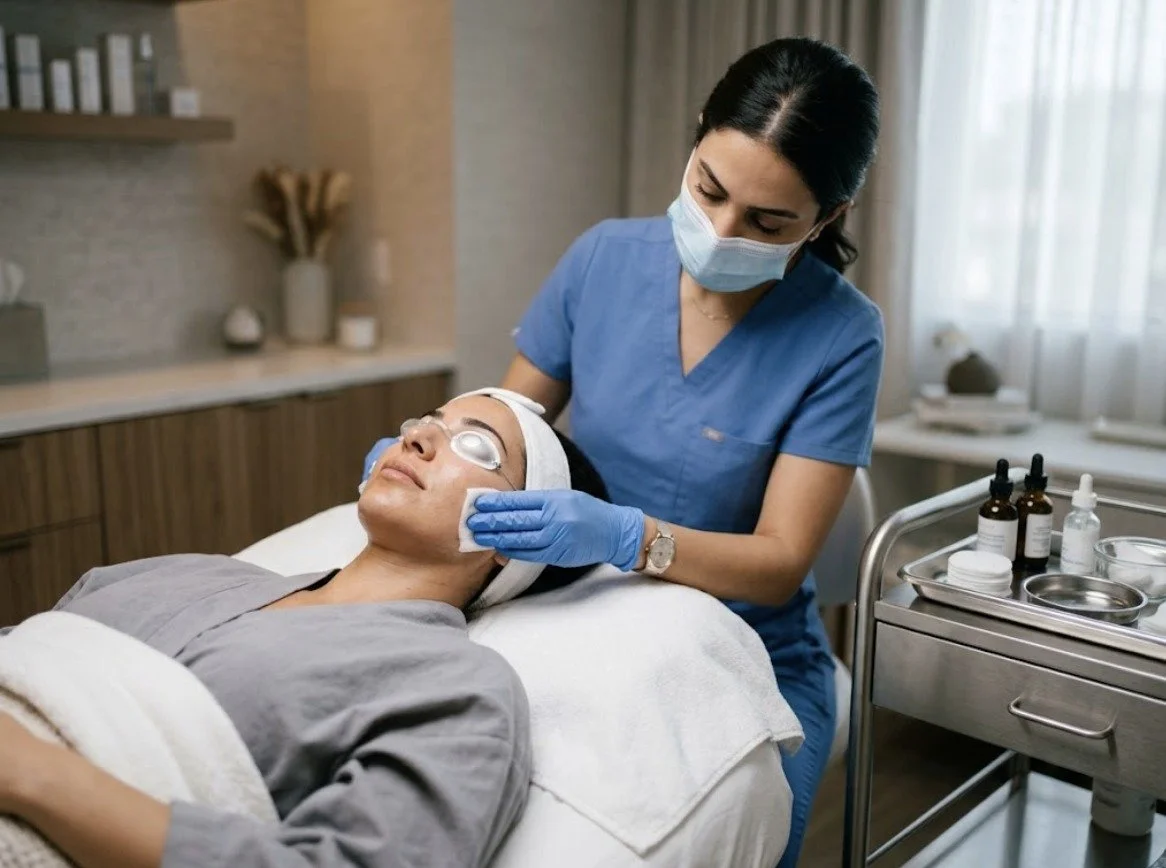
Chemical peel appointments begin with an assessment of your skin and treatment goals.
At Bliss Medical Spa and Wellness, we focus on personalized recommendations rather than using the same peel for every patient. Your provider can consider your pigmentation, skin type, sensitivity, previous treatments, and expectations before recommending an option.
Before the Peel
Your skin care routine and recent treatments may need review before the procedure.
Your provider may need to adjust certain exfoliants, retinoids, or other active products based on your instructions. Do not stop prescription medication unless the prescribing clinician tells you to do so.
During Treatment
The skin is typically cleansed before applying the chemical solution.
Depending on the peel, you may notice warmth, tingling, or temporary stinging. The provider monitors the skin and follows the treatment protocol for the selected solution.
Some peels require neutralization, while others stop working through different chemical mechanisms.
Immediately After Treatment
Your skin may look pink or feel tight after a peel. Mild sensitivity, dryness, or flaking may develop over the following days.
Not every chemical peel causes obvious peeling. No visible shedding doesn't automatically mean the treatment failed.
Knowing what happens during treatment makes recovery easier to plan, especially when you understand how results develop over time.
Results, Treatment Frequency, and Downtime
Chemical peels usually don't change pigmentation overnight.
Skin continues to exfoliate and recover after the appointment, so improvements may become more noticeable over the following days or weeks. The amount of change varies by pigmentation type, peel depth, skin type, and individual response.
Will One Peel Be Enough?
Some people may notice improvement after one treatment, but a series of light peels is often considered when the goal is gradual correction with less aggressive treatment.
The number of sessions and spacing between them depend on the product, concentration, skin response, and overall treatment plan.
Conditions such as melasma may also require ongoing topical skin care and maintenance because pigmentation can return.
How Much Downtime Should You Expect?
Downtime varies widely.
A light peel may cause mild redness, dryness, or flaking. A stronger peel can produce more visible shedding and require a longer recovery period.
Ask about expected recovery before treatment if you have work, social plans, travel, or outdoor activities coming up.
Results depend partly on the procedure, but aftercare can play an equally important role in protecting newly treated skin.
Chemical Peel Aftercare for Hyperpigmentation
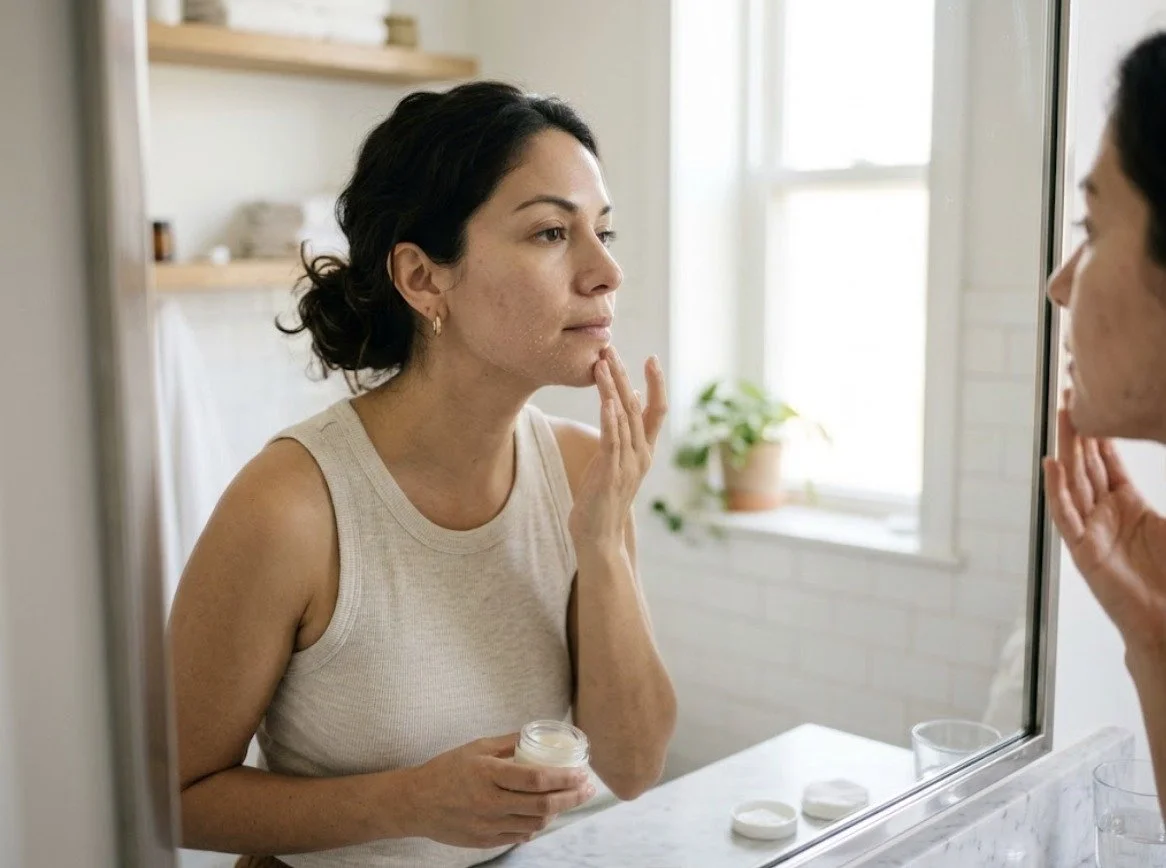
Skin is more sensitive after controlled exfoliation, so gentle care is important.
Use Sun Protection Consistently
Sun exposure can stimulate melanin production and make pigmentation more noticeable.
Follow your provider's instructions regarding sunscreen and sun avoidance. Broad-spectrum protection is particularly important when treating melasma, sun spots, or post-inflammatory hyperpigmentation.
Let Flaking Skin Shed Naturally
Avoid picking, scrubbing, or pulling at peeling skin.
Removing flakes before they are ready can create unnecessary inflammation and may increase the chance of pigment changes.
Be Careful With Active Skin Care Products
Retinoids, exfoliating acids, scrubs, and other active ingredients may be too irritating immediately after treatment.
Follow your provider's timeline for restarting these products. Your provider may recommend a gentle cleanser and moisturizer during early recovery.
Good aftercare can reduce avoidable irritation, but it cannot remove every potential risk.
Risks and Limitations of Chemical Peels for Hyperpigmentation
Chemical peels aren't appropriate for everyone and can cause side effects.
Possible reactions include:
Redness
Dryness
Flaking
Temporary sensitivity
Irritation
Post-inflammatory hyperpigmentation
Unwanted lightening or darkening of the skin
Deeper chemical peels can carry additional risks, including prolonged healing and scarring.
A provider may delay treatment if your skin has active irritation, infection, an impaired skin barrier, or another condition that could make peeling inappropriate.
Pigment depth also matters. A superficial peel cannot reliably reach deeper pigmentation, and treating too aggressively may cause more inflammation without the desired improvement.
These limitations are exactly why choosing a peel based on professional assessment makes more sense than selecting one based solely on strength.
Choosing Chemical Peels for Hyperpigmentation in Glendale
If you are researching chemical peels for hyperpigmentation in Glendale, consider the treatment as part of a broader skin care plan rather than a one-size-fits-all solution.
Your provider should look at more than the dark spot itself. Skin type, pigment depth, acne history, sensitivity, current products, previous procedures, sun exposure, and downtime preferences can all affect the recommendation.
At Bliss Medical Spa and Wellness, we offer personalized aesthetic treatments for patients in Glendale and nearby Phoenix communities. Our goal is to help you understand what a treatment can realistically address, what recovery may involve, and which option makes sense for your skin.
For some patients, that may mean a light chemical peel. For others, another treatment or a combined approach may be more appropriate.
A thoughtful consultation helps connect the concern you see in the mirror with a treatment plan based on how your skin actually behaves.
Brighter, More Even-Looking Skin Starts With the Right Plan

Chemical peels for hyperpigmentation may improve certain superficial dark spots, post-inflammatory marks, uneven skin tone, and some forms of melasma through controlled exfoliation.
The best results depend on matching the treatment to the cause of the pigmentation, your skin type, and the depth of the concern. Stronger treatment isn't automatically better, especially if your skin tends to darken after irritation.
Sun protection, gentle aftercare, and realistic expectations also matter when treating pigmentation over time.
If you are considering a chemical peel, schedule a consultation with Bliss Medical Spa and Wellness in Glendale to discuss your skin concerns and find a treatment plan that fits your goals, skin type, and comfort level.
Frequently Asked Questions
-
They may be appropriate for some types of superficial pigmentation, including certain sun spots, acne-related post-inflammatory marks, and epidermal pigmentation associated with melasma. Results depend on skin type, pigment depth, and the reason the discoloration developed.
-
No single peel works best for everyone. Glycolic acid, salicylic acid, lactic acid, mandelic acid, TCA, and combination peels may all be considered, depending on the situation. Your provider should choose the peel type based on your skin, pigmentation, sensitivity, and treatment goals.
-
Yes, they can in some cases. Too much irritation can trigger post-inflammatory hyperpigmentation, particularly in people already prone to pigment changes. Appropriate peel selection, conservative treatment when needed, and careful aftercare help reduce that risk.
-
It varies. Some treatment plans use a series of light peels rather than one stronger peel. The number of sessions depends on the peeling agent, pigmentation type, skin response, and whether other treatments or skin care products are included.
-
Changes usually appear gradually as the treated skin exfoliates and recovers. Some people notice improvement after one superficial peel, while others need several sessions. Conditions such as melasma may require ongoing management because pigmentation can return over time.