
IV Therapy for Dehydration Glendale, AZ - How to Recharge Fast
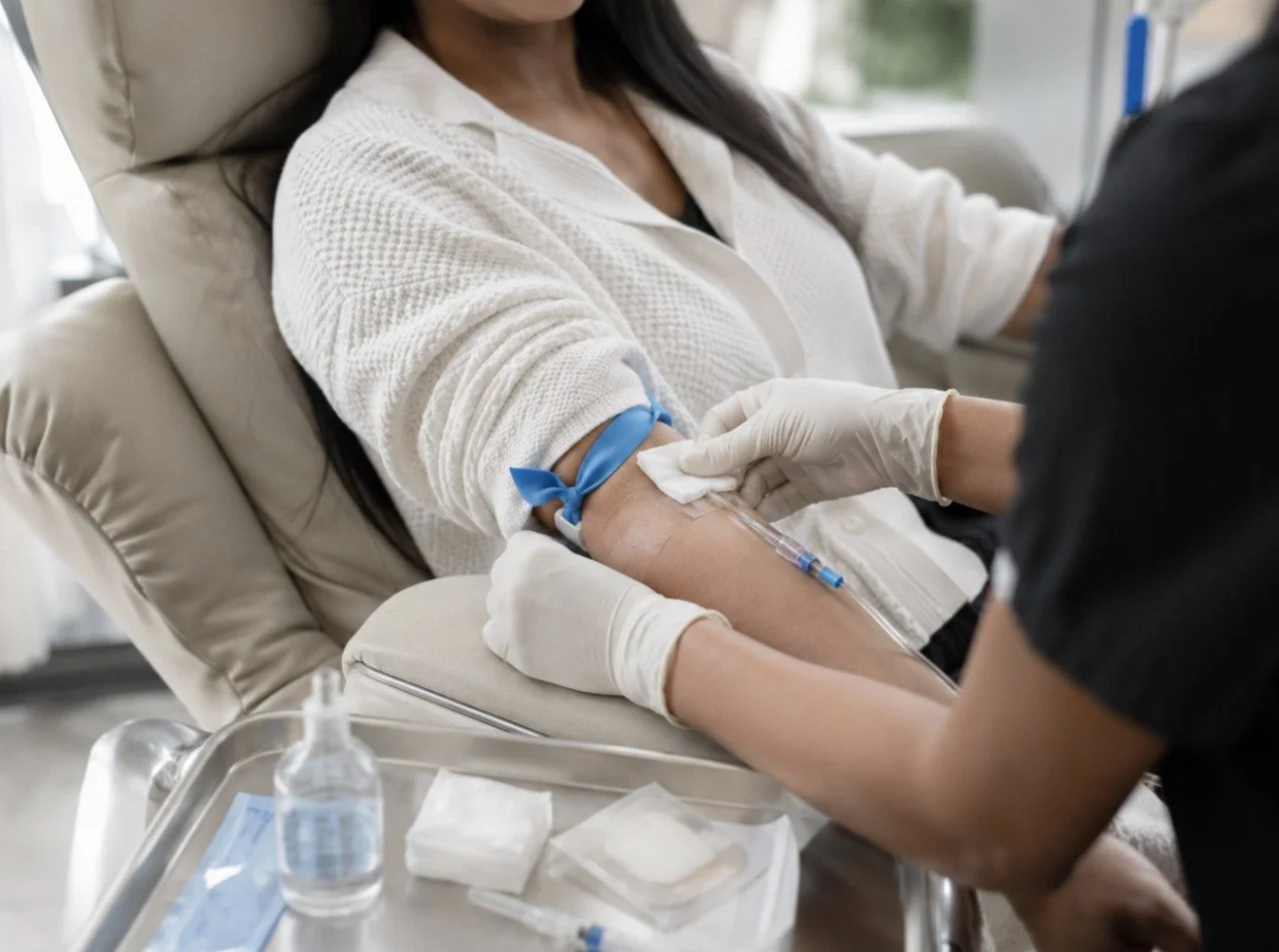
Arizona heat can catch up with you quickly. A long day outside, a hard workout, a stomach illness, or simply falling behind on fluids can leave you thirsty, weak, lightheaded, and drained.
In many mild cases, drinking water and replacing electrolytes may be enough. In other situations, IV therapy for dehydration may be worth discussing with a medical professional, especially when fluid loss has been greater or keeping fluids down is difficult.
At Bliss Wellness and Spa in Glendale, AZ, IV hydration is part of a personalized wellness approach. The goal is not to treat every headache or tired afternoon with an infusion. It is to understand what your body needs, what your symptoms may suggest, and when IV hydration may be an appropriate option.
What You'll Learn From This Article
By the end of this guide, you will have a clearer understanding of:
What dehydration does to your body and why Arizona heat can increase fluid loss
How IV hydration therapy delivers fluid and electrolytes
When drinking water may be enough and when an IV may be considered
What to expect during an IV hydration appointment at Bliss in Glendale
When dehydration symptoms call for urgent care instead of a wellness visit
Understanding dehydration starts with knowing what happens when your body loses more fluid than it takes in.
What Happens to Your Body When You Become Dehydrated?
Dehydration develops when fluid losses exceed the amount you replace. Your body loses water every day through urine, breathing, perspiration, and bowel movements. Exercise, hot weather, vomiting, diarrhea, fever, and certain medications can increase those losses.
Water is only part of the picture. Your body also depends on electrolytes such as sodium and potassium to support normal nerve, muscle, and cellular function. When fluid losses become significant, electrolyte levels can shift as well.
According to the National Library of Medicine's review of adult dehydration, symptoms can range from thirst and fatigue to more serious changes in blood pressure, kidney function, circulation, and mental status when dehydration becomes severe.
Common signs of mild dehydration may include:
Increased thirst
Dry mouth
Fatigue
Dizziness
Headache
Darker urine
Less frequent urination
More significant dehydration may cause worsening weakness, rapid heart rate, low blood pressure, confusion, or very low urine output.
Common Causes of Dehydration in Glendale
Glendale's climate makes hydration especially important much of the year. Hot temperatures increase perspiration, and spending time outdoors may lead to greater fluid loss than you realize.
Common causes include:
Prolonged heat exposure
Exercise or heavy sweating
Not drinking enough water
Vomiting or diarrhea
Fever
Travel
Certain medications
Some medical conditions that affect fluid balance
Symptoms such as fatigue or headaches do not automatically mean you are dehydrated. Many conditions can cause similar symptoms, which is why it helps to look at the full picture rather than assuming you simply need more fluid.
Once dehydration is suspected, the next question is how to replace that fluid.
How IV Therapy for Dehydration Works
IV stands for intravenous, which means fluid enters the body through a vein.
During IV hydration therapy, a medical professional places a small catheter into a vein and connects it to an IV fluid solution. Because the fluid enters the bloodstream directly, it bypasses the digestive system.
That difference can matter when someone has difficulty drinking or retaining fluids.
Medical providers use different IV solutions depending on the situation. Normal saline is one common option, while Lactated Ringer's solution is another. The right solution and amount depend on factors such as the cause of fluid loss, electrolyte balance, health history, and current symptoms.
The National Library of Medicine's guidance on fluid management explains that IV fluid therapy should be individualized based on the patient's condition rather than treated as a single standard formula.
What May Be Included in an IV Infusion?
A hydration infusion begins with fluid. Depending on the treatment plan, some wellness IVs may also include selected vitamins, minerals, or other ingredients.
More ingredients do not automatically make an IV more appropriate or more effective. A healthcare provider should first consider your medical history, medications, current symptoms, and reason for seeking treatment.
At Bliss, we match treatment to the person rather than assuming every patient needs the same infusion.
That brings up an important distinction: IV hydration can be useful in the right situation, but it is not always better than drinking fluids.
IV Hydration vs. Drinking Water: Which Makes More Sense?

For many people with mild dehydration, oral rehydration is enough.
If you can drink normally and keep fluids down, drinking water and using an appropriate electrolyte solution may help replace what your body has lost. Oral rehydration also avoids the risks of placing an IV.
IV hydration may make more sense when fluid losses are more substantial, oral fluids are difficult to tolerate, or a medical professional determines that intravenous rehydration is appropriate.
Here is a simple comparison:
| Situation | Oral Hydration | IV Hydration or Medical Evaluation |
|---|---|---|
| Mild thirst after being outdoors | Often appropriate | Usually unnecessary for mild symptoms alone |
| Fluid loss after exercise | Often appropriate if you can drink | May be considered based on symptoms and circumstances |
| Mild stomach illness with fluids staying down | Small, frequent drinks may help | Usually not the first option |
| Repeated vomiting that prevents drinking | May be difficult to maintain | Medical assessment may be appropriate |
| Confusion, fainting, or very low urine output | Not enough on its own | Prompt medical care is appropriate |
| Kidney or heart conditions | May require individualized guidance | Provider assessment is important |
It is also worth separating hydration from athletic recovery claims. Research on IV fluid use in athletes has found little reason to use routine intravenous rehydration in healthy athletes who can restore fluids by drinking.
The better question is not "Which method is faster?" It is "Which method fits the situation?"
That distinction also helps explain why IV speed should not be confused with guaranteed symptom relief.
How Fast Does IV Hydration Work?
IV fluid enters the vascular system during infusion, so it doesn't rely on gastrointestinal absorption first.
That does not mean every symptom disappears immediately.
How quickly you feel different may depend on:
How much fluid you lost
How long you have been dehydrated
Whether electrolytes are also depleted
Whether vomiting or diarrhea is continuing
Your medications
Your overall health
The actual cause of your symptoms
For example, an IV may replace fluid lost during an illness, but it does not treat the infection or condition that caused the illness. The same is true after heat exposure. Rehydration can address fluid loss, but serious heat-related symptoms require medical evaluation.
Think of IV hydration as one way to replace fluids, not a guaranteed reset button.
If an IV appears appropriate, knowing what happens during the appointment can make the experience easier to understand.
What to Expect During IV Hydration at Bliss in Glendale

Bliss Wellness and Spa offers IV hydration at its Glendale location as part of its broader wellness services. The process begins with a conversation about what brought you in and whether treatment fits your current needs.
If this is your first IV appointment, the experience is generally straightforward.
Health Review and Treatment Selection
Before treatment, the provider may review your symptoms, health history, medications, recent fluid loss, heat exposure, exercise, illness, and hydration habits.
This is an important step. Someone who lost fluid after spending time outdoors may have different needs than a person who has been vomiting or has a medical condition that affects the kidneys or heart.
The provider can then determine whether IV hydration is appropriate and which infusion makes sense for your situation.
IV Placement and Infusion
If treatment is recommended, a medical professional places a small IV catheter into a suitable vein. The selected fluid is then administered over the course of the infusion.
You may relax during treatment while the team monitors your comfort and response.
After the infusion, your provider may recommend continued drinking water, electrolyte replacement, or other aftercare based on your needs.
Bliss's approach focuses on helping patients feel informed and comfortable with the treatment they choose, which matters especially for wellness services that still involve medical considerations.
Those safety considerations matter just as much as the potential benefits.
Is IV Hydration Safe?
IV therapy is widely used in healthcare, but it is still a medical procedure.
Possible IV-related concerns can include bruising, discomfort at the insertion site, vein irritation, infection, and problems related to receiving the wrong amount or type of fluid.
Receiving too much fluid can also be a concern for certain patients. People with kidney disease, heart failure, some cardiovascular conditions, or electrolyte disorders may require more cautious fluid management.
Other factors a provider may consider include:
Current medications
History of heart or kidney problems
Blood pressure concerns
Ongoing vomiting or diarrhea
Existing electrolyte abnormalities
Other chronic medical conditions
For IV therapy to be safe and effective, the treatment needs appropriate screening, proper IV placement, and a fluid plan that makes sense for the individual.
This is why it is better to think of IV hydration as a personalized treatment rather than something everyone should receive after feeling tired or thirsty.
Dehydration also belongs in urgent care or an emergency setting, not a wellness clinic.
When Dehydration Needs Urgent Care
Mild dehydration and severe dehydration are not the same problem.
Severe fluid loss can affect blood pressure, circulation, kidney function, electrolyte levels, and mental status. In serious cases, it can contribute to shock and organ problems.
Warning Signs That Need Prompt Medical Attention
Seek prompt medical care if dehydration is accompanied by symptoms such as:
Confusion
Fainting
Severe weakness
Very little or no urine output
Persistent vomiting that prevents drinking
Significant dizziness or difficulty standing
Rapid heart rate with worsening symptoms
Seizures
Symptoms of severe heat illness
Signs of shock or serious infection
A wellness IV should not replace urgent care or emergency treatment when severe symptoms are present.
The cause of the symptoms matters too. Dehydration can happen alongside infections, gastrointestinal illness, heat stroke, blood loss, or metabolic problems. Those situations may need testing, monitoring, or treatment that a medical spa is not designed to provide.
Knowing when not to book an IV is part of making a responsible decision.
For everyday prevention, consistent hydration habits remain the most important place to start.
How to Stay Hydrated in Glendale
IV therapy can help address certain fluid needs, but it does not replace regular hydration.
Glendale's heat makes it especially important to stay ahead of fluid loss, particularly during outdoor activity.
Simple habits can help:
Drink fluids regularly throughout the day.
Increase fluid intake during exercise or prolonged heat exposure.
Replace fluids after heavy sweating.
Consider an electrolyte drink when you have lost significant fluid through sweat, vomiting, or diarrhea.
Pay closer attention to hydration when you are ill.
Reduce prolonged outdoor activity during extreme heat.
Ask your healthcare provider about fluid needs if you take medications that affect hydration.
No single amount of water works for everyone. Fluid needs can vary with body size, diet, activity, climate, health conditions, medications, and illness.
The goal is not to chase a perfect number. It is to pay attention to your environment, symptoms, activity level, and overall health.
When those habits are not enough, a professional can help you decide what makes sense next.
A Practical Approach to IV Therapy for Dehydration in Glendale

Dehydration can range from a mild fluid deficit to a serious medical problem. The appropriate response depends on why it happened, how severe it is, and whether you can replace fluids by mouth.
For many mild cases, drinking water or an oral rehydration solution may be enough. IV hydration may be considered when oral fluids are difficult to tolerate or when a provider determines that intravenous fluid replacement is appropriate.
The key is not choosing the fastest-sounding option. It is choosing the option that matches your needs.
If you are considering IV therapy for dehydration in Glendale, AZ, Bliss Wellness and Spa can help you discuss your symptoms, health history, and wellness goals before deciding whether an IV infusion fits your care plan.
The answers to a few common questions may make that decision even clearer.
Frequently Asked Questions
-
IV therapy can replace fluid directly through the bloodstream and may be appropriate in certain cases of dehydration. Mild dehydration can often be managed with oral fluids when you can drink and keep them down. The right approach depends on your symptoms, health history, and how much fluid you've lost.
-
IV fluid enters the bloodstream directly, while drinking water requires absorption through the digestive system. That difference does not guarantee that symptoms will improve within a specific amount of time. Recovery varies based on the cause and severity of dehydration.
-
Seek prompt medical evaluation if you have confusion, fainting, very low urine output, persistent vomiting, severe weakness, seizures, worsening dizziness, or symptoms of severe heat illness. These signs may indicate more significant dehydration or another medical condition.
-
IV hydration starts with a fluid solution such as saline or another medically appropriate crystalloid. Some wellness infusions may also contain electrolytes, vitamins, or other ingredients based on the treatment plan. The exact formula should be chosen based on your needs and health history.
-
Possibly, but it is not always necessary. Many healthy adults can rehydrate by drinking water and replacing electrolytes as needed after exercise or heat exposure. If you have substantial fluid loss, cannot keep liquids down, or develop concerning symptoms, a healthcare provider can help determine the next step.
To find out whether IV hydration fits your needs, schedule a consultation with Bliss Wellness and Spa in Glendale, AZ. The team can review your goals and help you choose an option that fits your health and comfort.