
Dermaplaning Facial for Silky-Smooth Skin in Glendale, AZ
Rough texture, visible peach fuzz, and a dull surface can make skin feel less smooth than you would like, even with a consistent skincare routine. Makeup may catch on fine facial hair, and dry surface buildup can make the complexion look uneven.
A dermaplaning facial offers a simple approach to these concerns. The treatment uses controlled physical exfoliation to remove superficial dead skin cells and fine vellus hair from the face. For appropriate candidates, the result may be skin that feels softer, looks fresher, and provides a smoother surface for makeup.
Dermaplaning is not a treatment for every skin concern, though. Understanding what it does, what it does not do, and how it compares with other facial treatments can help you decide whether it fits your goals.
What You'll Learn From This Article
How a dermaplaning facial removes dead skin cells and peach fuzz
What benefits you may notice after treatment
Why facial hair does not grow back thicker after dermaplaning
When active acne or irritated skin may make dermaplaning unsuitable
How dermaplaning compares with a chemical peel and microdermabrasion
What to expect from downtime, aftercare, and treatment frequency
Understanding the treatment starts with what's happening at the surface of your skin.
What Is a Dermaplaning Facial?
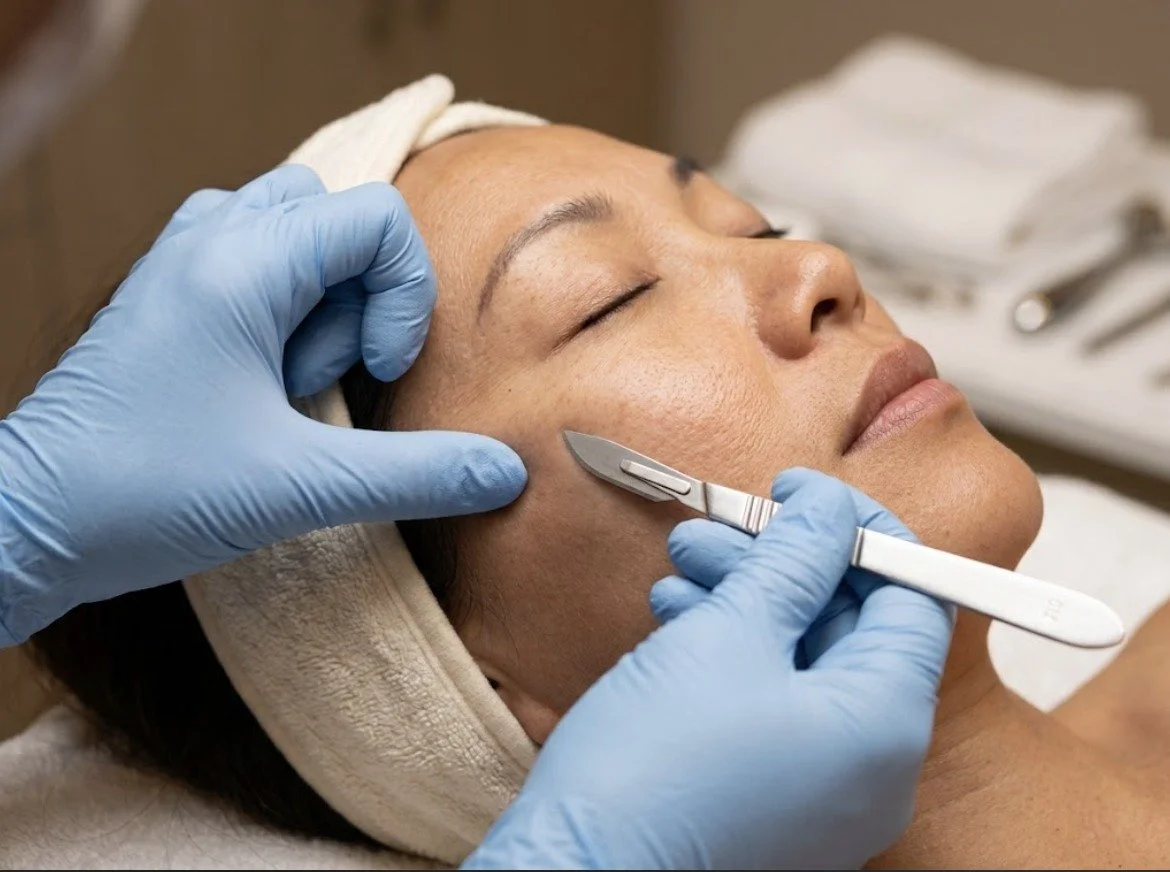
Dermaplaning is a form of mechanical exfoliation. A trained provider uses a sterile surgical-style blade, often described as a scalpel, to carefully remove superficial skin buildup and fine facial hair.
Unlike a chemical peel, dermaplaning does not rely on acids to exfoliate the skin. Unlike microdermabrasion, it does not use an abrasive handpiece. Its main purpose is to create a smoother surface by removing material from the skin's outermost layer.
How Dermaplaning Exfoliates the Skin
The outermost part of the skin includes the stratum corneum, which contains layers of dead skin cells that naturally shed over time. When surface buildup becomes more noticeable, the skin may feel rough or look dull.
During dermaplaning, the provider holds the skin taut and moves the blade across the treatment area in controlled strokes. This removes part of that superficial layer of dead skin.
A study published in AAPS PharmSciTech examined how dermaplaning affected the skin barrier and found that it could increase skin permeability by disrupting portions of the stratum corneum. The researchers were studying drug delivery rather than cosmetic results, so the findings should not be used to claim that skincare products automatically work better after treatment. Still, the study helps explain why recently treated skin may respond differently to active products.
Dermaplaning Also Removes Peach Fuzz
The blade also removes vellus hair, the soft, fine hair often called peach fuzz.
This can make the face feel smoother to the touch. Some people also notice that makeup applies more evenly because there is less fine hair on the skin's surface.
Dermaplaning does not permanently remove this hair. It grows back according to its normal cycle.
That surface smoothing effect is the main reason many people consider dermaplaning in the first place.
What Are the Benefits of Dermaplaning?
Dermaplaning mainly affects the skin's outer surface, so its benefits are best understood in that context. It can improve how the skin feels and looks, but it does not treat every cause of texture, pigmentation, acne, or aging.
Smoother Skin Texture
Removing superficial dead skin cells can leave the face feeling softer and smoother.
This may be especially appealing if your skin feels rough even after moisturizing or if dry surface buildup makes makeup look uneven.
The effect is cosmetic and temporary. Skin continues its natural renewal process after treatment.
Less Visible Peach Fuzz
Vellus hair is completely normal, but some people prefer a smoother appearance without it.
Dermaplaning removes this fine hair at the surface, which can make the skin look more even under bright lighting. Foundation and other complexion products may also sit more smoothly.
A Brighter, More Radiant Appearance
Exfoliation can reduce the dull appearance caused by superficial buildup.
Some people notice that their skin looks fresher or more radiant after dermaplaning. Results vary, and the treatment should not be described as correcting deeper pigmentation or significant sun damage on its own.
Softer Looking Fine Lines
Very fine surface lines may look less noticeable when you remove dry buildup, and the skin may appear smoother.
Dermaplaning does not reach deep enough to treat established wrinkles, skin laxity, or structural changes beneath the surface.
A systematic review published in Aesthetic Plastic Surgery noted that evidence supporting dermaplaning and several other noninvasive facial rejuvenation procedures was limited, reinforcing the importance of realistic expectations rather than broad anti-aging claims.
Knowing what the treatment can realistically accomplish also makes it easier to understand what happens during an appointment.
What Happens During a Dermaplaning Facial?
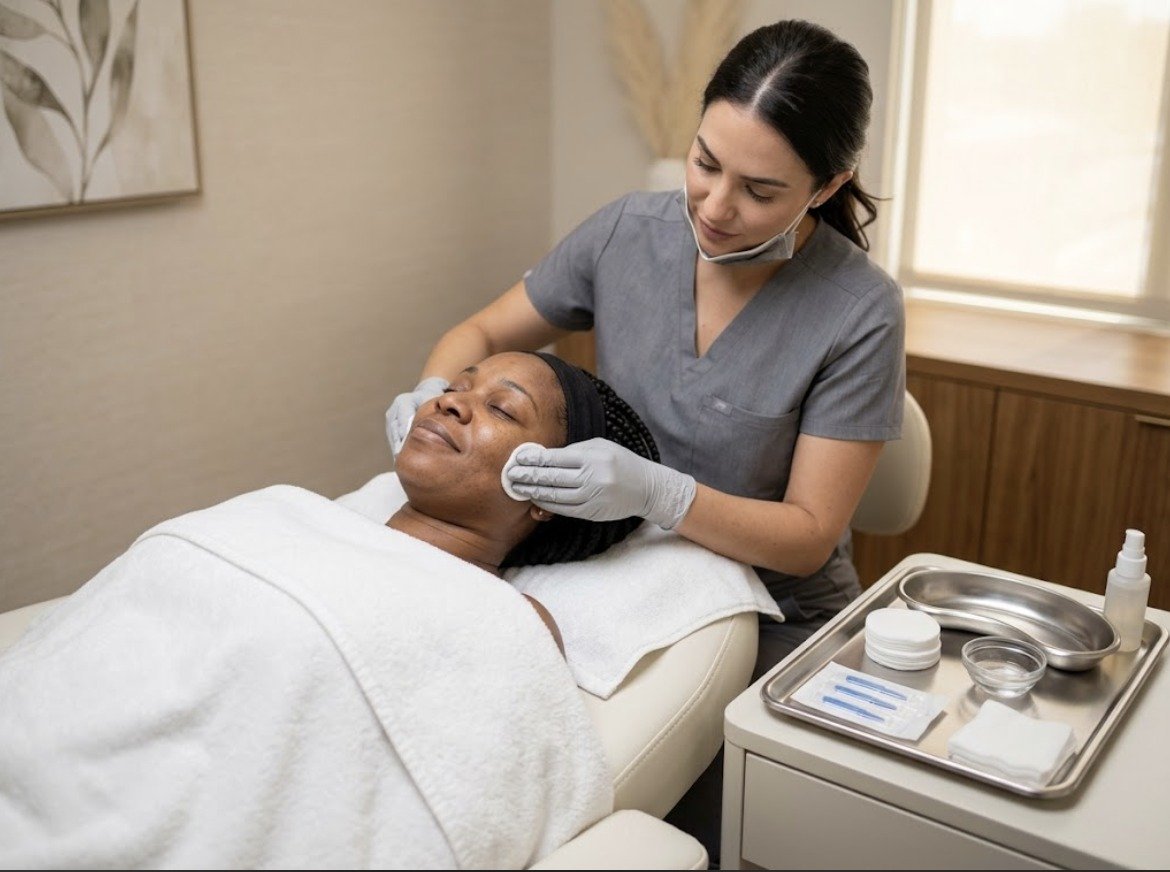
A dermaplaning appointment should begin with an assessment of your skin, current routine, and treatment goals. Good patient selection matters because not every skin condition should be exfoliated in the same way.
Skin Assessment and Preparation
Your provider may ask about:
Your current skincare products
Retinoids, acids, or exfoliating products
Recent facials or cosmetic procedures
Skin sensitivity
Current acne or irritation
Open areas, infections, or wounds
The changes you hope to see
The skin is then cleansed and prepared before treatment begins.
The Dermaplaning Process
The provider works across small sections of the face, gently holding the skin taut and moving the sterile blade across the surface at a controlled angle.
Pressure and technique should remain measured. The goal is controlled exfoliation, not aggressive scraping or deep tissue removal.
A medically informed approach also means working around areas that should not be treated, rather than applying the same technique across every part of the face.
Finishing Skincare
After treatment, you may apply gentle hydrating or soothing products.
Because dermaplaning temporarily changes the surface barrier, your provider may recommend avoiding strong exfoliating acids, retinoids, scrubs, or other potentially irritating skincare products afterward.
Daily broad-spectrum sunscreen is also important, particularly in Glendale and the Greater Phoenix area, where regular sun exposure is difficult to avoid.
Those safety considerations become especially important when deciding who should, and should not, receive treatment.
Who Is a Good Candidate for Dermaplaning?
Dermaplaning may work well for people who want to address superficial texture and fine facial hair, but candidacy depends on your skin's current condition.
Concerns Dermaplaning May Help Address
A provider may consider dermaplaning if your main concerns include:
Mild surface roughness
Dull-looking skin
Visible peach fuzz
Superficial dead skin buildup
Makeup that catches on fine facial hair
A preference for mechanical rather than chemical exfoliation
Different skin types can respond differently, so treatment should still be personalized.
When Dermaplaning May Not Be Appropriate
Dermaplaning may not be a good choice if the skin has active inflammation or a compromised surface.
Active acne, open wounds, skin infections, significant irritation, or certain active inflammatory conditions may be reasons to postpone treatment.
Passing a blade over inflamed acne lesions can further irritate the area. Recent procedures or strong skincare products may also influence when dermaplaning is appropriate.
A 2024 review of minimally invasive dermatologic procedures highlights the importance of patient assessment, appropriate treatment selection, and understanding procedure limitations before performing cosmetic skin treatments.
Once candidacy is clear, the next question is usually how dermaplaning compares with other exfoliating treatments.
Dermaplaning vs Chemical Peel vs Microdermabrasion
Dermaplaning, chemical peels, and microdermabrasion can all improve surface texture, but they use different methods and may suit different concerns.
| Treatment | How It Works | Common Reasons to Consider It | Downtime |
|---|---|---|---|
| Dermaplaning | Mechanical exfoliation with a sterile blade, plus vellus hair removal | Peach fuzz, dullness, surface roughness | Usually limited |
| Chemical peel | Controlled exfoliation using a chemical solution | Texture, pigmentation, acne concerns depending on peel | Depends on peel depth |
| Microdermabrasion | Mechanical exfoliation using a specialized device | Dullness and superficial texture | Usually limited |
Dermaplaning vs Chemical Peel
A chemical peel uses acids or other chemical agents to exfoliate the skin. Peel depth varies, which means treatment intensity and recovery can vary as well.
A superficial chemical peel may be considered for concerns such as tone, texture, or certain acne-related issues, depending on the formula used.
Dermaplaning works differently because it physically removes surface buildup and vellus hair. It does not create the same chemical exfoliation effect.
Dermaplaning vs Microdermabrasion
Microdermabrasion also uses mechanical exfoliation, but it relies on a specialized device rather than a blade.
It can help remove superficial buildup and improve the feel of rough skin, but it does not intentionally remove peach fuzz in the same way dermaplaning does.
Can Dermaplaning Be Combined With a Peel?
Some treatment plans combine dermaplaning with another facial or a chemical peel.
That doesn't mean a combination treatment is right for everyone. More exfoliation can also mean more irritation, so your provider should consider skin sensitivity, treatment strength, and recent skincare use before combining procedures.
The same individualized approach applies to recovery and aftercare.
Dermaplaning Downtime and Aftercare
Dermaplaning generally requires less recovery than more aggressive skin resurfacing treatments, but your skin may still feel different for a short period afterward.
What to Expect After Treatment
Possible temporary effects include:
Mild redness
Dryness
Tightness
Sensitivity
Minor irritation
Many people return to their usual routine soon after treatment, although your individual response may differ.
Contact your provider if redness, discomfort, swelling, or another reaction seems unusual or does not improve as expected.
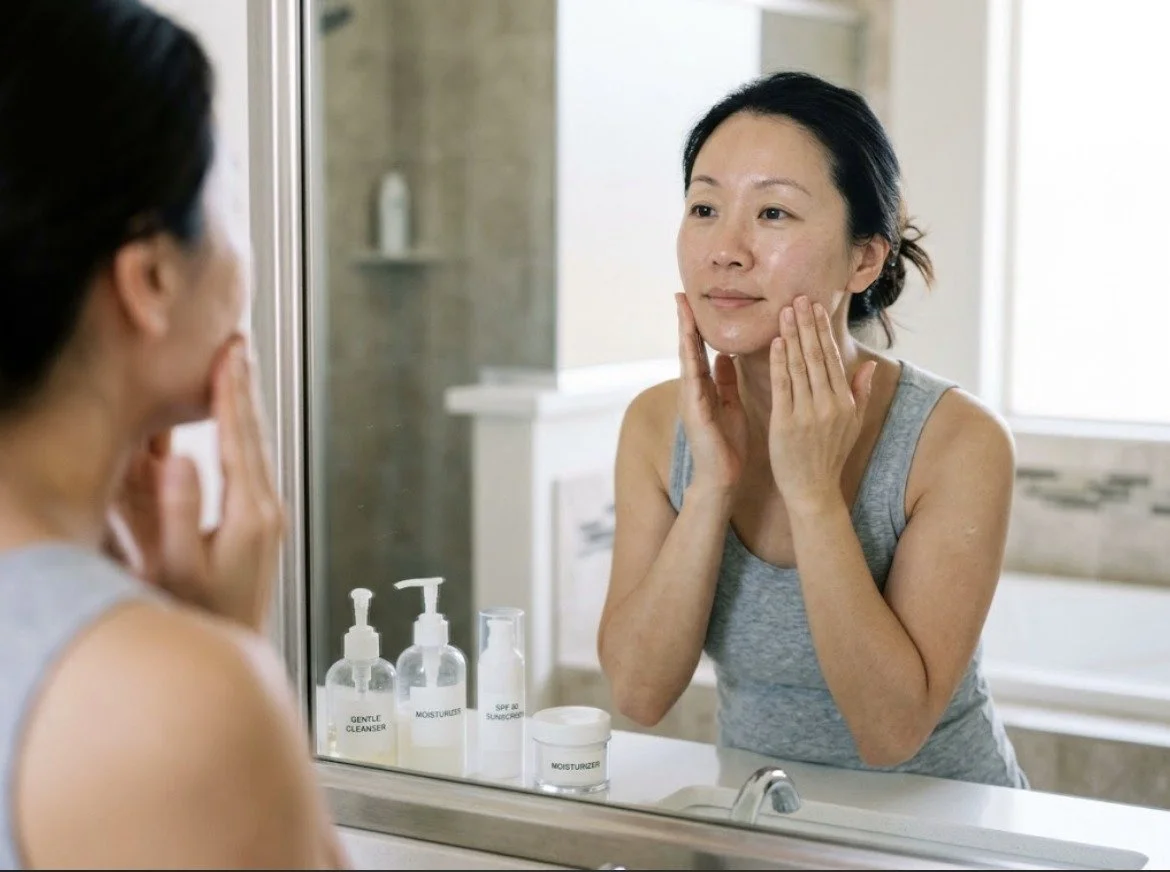
Keep Skincare Simple
Freshly exfoliated skin may be more sensitive than usual.
Your provider may recommend using a gentle cleanser, moisturizer, and sunscreen while temporarily avoiding harsh scrubs, exfoliating acids, retinoids, or other strong active ingredients.
Do not assume that applying more skincare immediately after dermaplaning will produce a better result. Giving the skin time to settle is often the more comfortable approach.
Be Consistent With Sun Protection
Daily sunscreen matters after any exfoliating facial.
This is especially relevant in Glendale, AZ, where strong sunlight is common throughout much of the year. Broad-spectrum sunscreen, shade, and protective clothing can help reduce unnecessary exposure while the skin is more sensitive.
Once your skin has recovered, the next consideration is how dermaplaning fits into an ongoing skincare routine.
How Often Should You Get a Dermaplaning Facial?
There is no universal schedule for dermaplaning.
Treatment frequency depends on how your skin responds, how quickly your vellus hair grows back, the other procedures you receive, and your goals.
Your Skin Should Guide the Schedule
Some people choose dermaplaning periodically as part of a facial routine. Others schedule it occasionally when surface texture or peach fuzz becomes more noticeable.
Because hair grows back and dead skin cells continue to accumulate naturally, dermaplaning results are not permanent.
Repeated treatment should allow enough time for the skin to recover rather than following an aggressive schedule.
Dermaplaning Is One Part of Skincare
Dermaplaning can help with surface concerns, but it does not replace daily skincare or treatments designed for deeper issues.
Persistent acne, acne scarring, significant pigmentation, deeper fine lines, or skin laxity may require a different approach.
A consultation can help you compare options instead of trying to make one treatment address every concern.
That comparison is especially helpful when choosing among the facial treatments available in Glendale.
Choosing a Dermaplaning Facial in Glendale, AZ
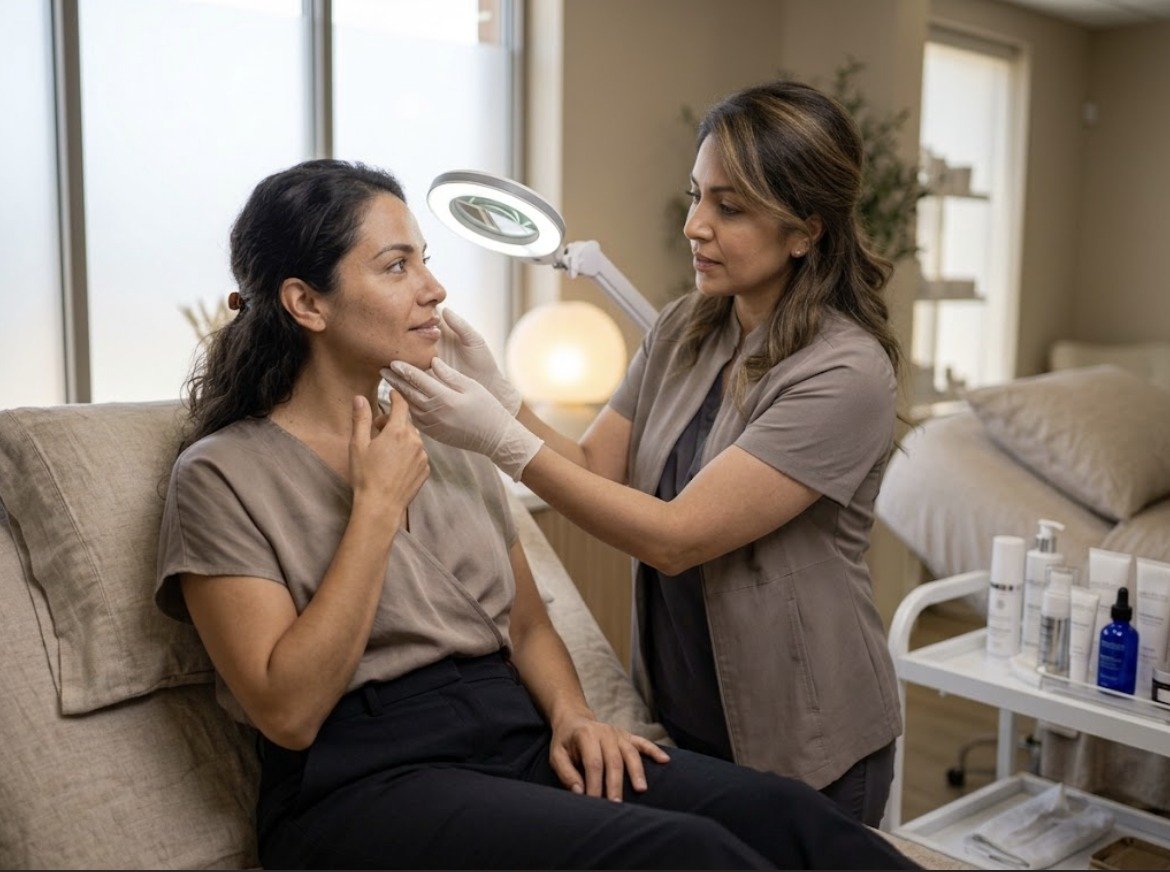
The best facial for your skin matches your current concerns, sensitivity, and goals.
At Bliss Medical Spa & Wellness, we take a personalized approach to aesthetic care. Before recommending dermaplaning, we consider how your skin looks and feels now, the products you use at home, your treatment history, and what you hope to improve.
This is particularly helpful if you are deciding between a dermaplaning facial, chemical peel, DiamondGlow, microdermabrasion, microneedling, or another facial treatment.
The goal is to choose an option that makes sense for your skin rather than simply selecting the most intensive treatment available.
Understanding those differences can make the final decision much easier.
Frequently Asked Questions
-
A dermaplaning facial removes superficial dead skin cells and fine vellus hair, commonly called peach fuzz. It works at the skin's surface and does not remove deep tissue or permanently remove facial hair.
-
No evidence suggests that cutting vellus hair at the surface changes the hair follicle or causes the hair to become biologically thicker.
When hair grows back after being cut, the tip may initially feel more blunt than naturally tapered hair. That can create the impression of thicker regrowth even though the follicle has not changed.
-
It depends on the type and activity of the acne.
Dermaplaning may not be appropriate over active acne lesions, open areas, or significantly irritated skin. A provider should examine your skin before treatment and recommend another option if mechanical exfoliation could aggravate the area.
-
None of these treatments is automatically better.
Dermaplaning removes surface buildup and peach fuzz. Chemical peels use controlled chemical exfoliation, while microdermabrasion uses a device for mechanical exfoliation. Your skin type, concerns, sensitivity, desired downtime, and treatment history can help determine which option makes the most sense.
-
Downtime is typically limited for appropriate candidates. Mild redness, dryness, tightness, or sensitivity may occur after treatment.
Follow your provider's aftercare instructions, keep skincare gentle, and use broad-spectrum sunscreen while your skin recovers.
Final Words - Is a Dermaplaning Facial Right for Your Skin?
A dermaplaning facial removes superficial dead skin buildup and fine vellus hair through controlled mechanical exfoliation.
For suitable candidates, it may make the skin feel smoother, reduce visible peach fuzz, improve the surface for makeup application, and create a fresher appearance.
It also has clear limits. Dermaplaning does not permanently remove facial hair, treat every type of acne, erase deeper wrinkles, or correct concerns that begin below the skin's surface.
A professional skin assessment can help you determine whether dermaplaning fits your needs or whether another treatment would be more appropriate.
If you are considering a dermaplaning facial in Glendale, AZ, schedule a consultation with Bliss Medical Spa & Wellness. We can assess your skin, discuss your concerns, and help you choose the treatment that best fits your skincare goals.